14 May 2019

Google makes travel planning easier


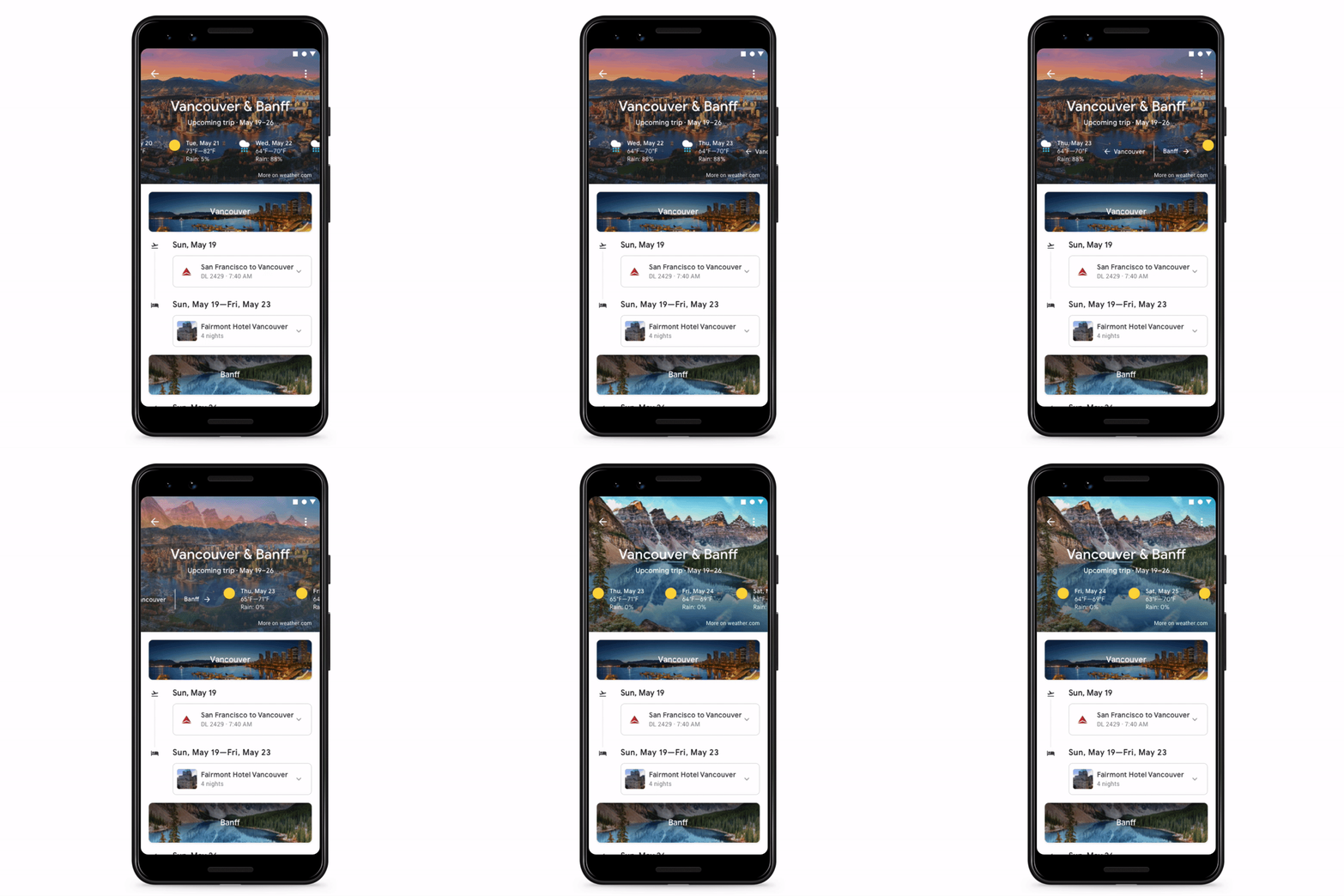
Google today announced a major revamp of its travel planning tools on the web. After launching a similar set of tools on mobile last year, the company today announced that google.com/travel on the web will now let you see information about all of your previously reserved trips and easily switch between flight, hotel and package searches.

In many ways, this finally brings all of Google’s travel services under one hood — a process that has taken far longer than I would’ve anticipated after Google bought ITA nine years ago.

Google Trips is essentially the landing page for the new site and brings together your existing bookings and information about your destination. The service will then feed your travel information back into Google Search and Maps. To do this, Google.com/travel (which I think we can safely call Google Travel, even if Google itself doesn’t do so), will use the confirmation emails and receipts from your Gmail inbox to build the timeline of your trip.

Since both the web and mobile versions are now on feature parity, this also makes it easier to pick up your trip planning on any device. Like always, though, you won’t be able to make any reservations through Google’s systems. Instead, Google will send you to an airline’s or hotel’s reservation system to complete a booking.

The actual flight and hotel search engines are still the same, though if Google previously offered the ability to buy flight and hotel packages, it did a good job of hiding that. Now, this option gets first billing, together with the hotel and flight searches.

“Our goal is to simplify trip planning by helping you quickly find the most useful information and pick up where you left off on any device. We’ll continue to make planning and taking trips easier with Google Maps, Google Search and google.com/travel—so you can get out and enjoy the world.”

Sadly, Google hasn’t ported Inbox’s useful Trip Bundles over to Gmail yet, though, despite promises to do so before shutting down Inbox. For the time being, though, the new Google Travel site is a pretty good alternative.


Read Full Article

TC Sessions: Mobility announces its July 10 agenda


TechCrunch Sessions is heading to San Jose on July 10 and we’re thrilled to announce our jam-packed agenda, overflowing with some of the biggest names and most exciting startups in the transportation industry. With Early Bird ticket sales ending soon, you’ll want to be sure to grab your tickets after checking out this agenda.

Throughout the day, you can expect to hear from and partake in discussions about the future of transportation, the promise and problems of autonomous vehicles, the potential for bikes and scooters, investing in early-stage startups and more.

We’ll be joined by some of the most esteemed and prescient people in the space, including Dmitri Dolgov at Waymo, Argo AI Chief Safety Officer Summer Craze Fowler, Nuro co-founder Dave Ferguson, Karl Iagnemma of Aptiv, Seleta Reynolds of the Los Angeles Department of Transportation and Ford Motor CTO Ken Washington.

We’ll also spend time discussing how cities will adapt to meet the new demands of this technology, an entirely new way to keep this tech secure, and what new once-unimaginable forms of transport are around the corner.

Our agenda showcases some of the powerhouses in the space, but also plenty of smaller teams that are building and debunking fundamental technologies in mobility. And of course, it wouldn’t be a TechCrunch show without some incredible startups demonstrating the latest groundbreaking tech.

We still have a few tricks up our sleeves and will be adding some new names to the agenda over the next month so keep your eyes open. In the meantime, check out these agenda highlights:

TechCrunch Sessions: Mobility
California Theatre, San Jose // July 10

9:35 AM – 10:00 AM
Building Mobility-First Cities with Avery Ash (INRIX) and Seleta Reynolds (Los Angeles Department of Transportation). 

What does it look like to move around the city of the future? We’ll be talking with Avery Ash, head of Autonomous Mobility at INRIX and Seleta Reynolds, general manager of the Los Angeles Department of Transportation to figure it out. More speakers to be announced

10:00 AM – 10:25 AM
Will Venture Capital Drive the Future of Mobility? With Michael Granoff (Maniv Mobility), Ted Serbinski (Techstars) and, Sarah Smith (Bain Capital)

Three leading early-stage investors will come together to debate the uncertain future of mobility tech and whether VC dollars are enough to push the industry forward.

10:25 AM – 10:45 AM
Waymo’s Way Forward with Dmitri Dolgov (Waymo)

We’ll talk to Waymo’s CTO about the state of AI, the company’s approach to developing, testing and validating its self-driving vehicle technology and what challenges remain for this Alphabet company and the rest of the AV industry.

10:45 – 11:05
Innovation Break with Softwheel Technology
Sponsored by Softwheel Technology

11:05 AM – 11:30 AM
The Last Mile: Challenges and Opportunities for startups with Stonly Baptiste (Urban Us) and Regina Clewlow (Populus). More speakers to be announced.

Populus founder and CEO Regina Clewlow and Urban Us co-founder Stonly Baptiste unpack what it means to be a last-mile innovation business, the dollars required for success, how data and technology will change how people move from Point A to Point B — and the hurdles that stand in the way.

11:30 AM – 11:40 AM
DEMO with Nils Wollny (Holoride)

Audi spinout Holoride will show how they aim to bring an interactive VR experience to the backseat of every car, no matter if it’s a Ford, Mercedes or Chrysler Pacifica minivan. Check out what this VR future in the car might look like.

11:40 AM – 12 PM
Delivering the Future with Dave Ferguson (Nuro)

Nuro is building a self-driving vehicle with a focus on local deliveries like groceries, food, and retail goods. We’ll talk with Nuro co-founder Dave Ferguson to hear all about the strengths and challenges of their focused approach.

12:00 PM – 1:00 PM
Break

1:00 PM – 1:10 PM
Demo with Jay Giraud (Damon Motorcycles)

Damon CEO and founder will bring a motorcycle on stage to demonstrate the company’s rider protection system that uses a combination of radar, camera and other sensors to track the speed, direction and velocity of up to 64 objects at a time.

1:10 PM – 1:35 PM
Bringing Ethics to Self-Driving Cars with Oliver Cameron (Voyage) and Clark Haynes (Uber)

When you hear the words ethics and autonomous vehicles, the age-old and often overused “trolley problem” thought experiment might spring to mind. We promise this isn’t about that. Instead, Oliver Cameron and Clark Haynes will discuss ethical decision-making in autonomous vehicles, and detail how robot cars are designed to prioritize some objects over others.

1:35 PM – 1:55 PM
Where Intel’s $15 billion bet is headed with Amnon Shashua (Mobileye)

In the two years since Intel bought Mobileye, co-founder and CEO Amnon Shashua has scaled up the business beyond ADAS with an eye towards launching an autonomous vehicle platform in 2021. We’ll talk to Shashua about his vision for the company, future business pursuits and a progress report on the AV program.

1:55 PM – 2:20 PM
Scooter Wars with Katie DeWitt (Scoot), Tony Ho (Segway-Ninebot) and Ryan Rzepecki (JUMP Bikes)

Scooters have taken over cities, and there’s no sign that these deployments are slowing down.Three leaders on the front lines of this battleground will dig into what’s next for scooters, the sustainability of a shared model, unit economics and more.

2:20 PM – 2:40 PM
Rebuilding the Motor City with Ken Washington (Ford Motor Company)

Hear from Ford’s CTO and Vice President of Research and Advanced Engineering how the historic automaker is rapidly changing its culture and processes while it prepares for an electric future.

2:40 PM – 3:00 PM
Coming Soon!

3:00 PM – 3:15 PM
Break

3:15 PM – 3:35 PM
Rethinking Urban Mobility with Erik Buell (Fuell)

Motorcycle racing pioneer Erik Buell is back with a new company and vision. We’ll talk to Buell, now chairman of EV startup Fuell, about the Flow electric motorcycle and the Fluid electric bicycle.

3:35 PM – 4:05 PM
Autonomous Robotaxis vs Shuttles with Karl Iagnemma (Aptiv), Alisyn Malek (May Mobility), Lia Theodosiou-Pisanelli (Aurora)

Some of the top minds trying to bring autonomous vehicle technology to the masses will debate what approaches makes the most sense, have the best chances for economic viability and what safety and security vulnerabilities and other challenges could throw these off track.

4:05 PM – 4:30 PM

The Future of Freight with Stefan Seltz-Axmacher (Starsky Robotics) and other speakers to be announced.

Trucking is the backbone of the economy; it’s also in peril. Startups and OEMs are scrambling to come up with the solution. We’ll debate whether autonomous trucks are the fix we need or if another near-term technology can pave the way to a more efficient and profitable industry.

4:30 PM – 4:50 PM

Uber Takes Flight with Mark Moore (UberElevate)

Uber wants to have flying taxis by 2023 and test flights are expected as early as next year. Mark Moore, a 30-year NASA veteran and engineering director of aviation at Uber, reveals what he and the ride-hailing company have been working on — and how they intend to take to the skies.


Save $100 with Early Bird Tickets ($195) when you book today before prices go up.

Startup Demo Packages (includes 3 tickets + a table) are still available here.

Students, grab your $45 tickets before we sell out.


Read Full Article

OnePlus redefines premium with the 7 Pro


OnePlus has never been particularly beholden to industry trends. Nowhere is that better demonstrated than with the 7 Pro. In the face of a stagnated smartphone market, Apple, Samsung and Google all went budget, releasing lower-tier takes on their pricey flagships to appeal to consumers looking for something akin to a premium experience without having to shell out four figures.

The 7 Pro, on the other hand, is OnePlus’ most premium device to date. But while the shift marks a break from much of the industry, it’s a very logical step for the company’s current trajectory. OnePlus made a name for itself creating low-cost flagship devices with features that were just slightly behind the bleeding edge.

In recent years, however, the company has looked to change that perception, becoming one of the first Android phones with an in-display fingerprint sensor and promising to be among the first to deliver 5G. The 7 Pro, however, marks a new era for the company. The existing six-month release strategy is still in place here (fittingly, given that Google has recently adopted something similar with its Pixel line), but the language OnePlus is using has shifted.

In a meeting ahead of launch, a rep for the company told TechCrunch OnePlus considers its twice-yearly phones to all be “flagships,” but the new model introduces the paradigm of “premium flagship” and “ultra-premium flagship.”

That’s a markety speak way of saying the company doesn’t compromise — which I think is a fair point. Oftentimes the concept of a “budget flagship” is heavily weighted toward the budget side of things. But OnePlus long ago established its knack for providing well-rounded, high-end smartphone experiences at well below the price of premium handsets.

The 7 Pro’s $669 starting price hedges much closer to the iPhone XR and Samsung Galaxy S10e’s $749 than the Pixel 3a’s $399. It’s also a pretty significant bump over the OnePlus 6T’s $549 starting point. It’s likely enough to make longtime fans of the service do a double take, but the sizable increase does come with a truly premium handset.

That starts with the design (though it’s certainly more than skin deep). This is immediately apparent with the 6.67-inch display. If curved sides of the edge to edge design are familiar, it’s because it was built custom for OnePlus by Samsung. And while it’s similar, it is, in fact, a custom design for the line, meaning that it’s still distinguished from the Galaxy line — namely the 516ppi density and a 90Hz refresh rate.

What’s really notable, however, is the complete absence of a notch or a pinhole. The 7 Pro takes another key step toward a world of uninterrupted screen time. Open the camera app, flip to front-facing and wait just under a second, as it mechanically extends on top of the device.

It’s not the first time we’ve seen the technology — fellow Chinese manufacturers Oppo and Vivo have already introduced us to pop-up cameras. But given OnePlus’ ongoing T-Mobile partnership, this is arguably the first time this technology has really been available to mainstream U.S. consumers.

The execution is quite good. As someone who almost never takes selfies, I’ve come to appreciate the semblance of privacy of a hidden front-facing camera. If I need it, it’s just a tap of the screen away. There are some safety features built in, as well. Should it slip from your grip while the camera is out, the phone uses the accelerometer to automatically retract it. It will also automatically return home if the phone goes to sleep with it out.

OnePlus won’t say what this specifically means for things like water resistance. In fact, the company’s a little cagey on the subject — even recently taking to Twitter to brag that it didn’t submit for an IP rating, in order to lower the cost of the devices for the end user. Here’s a video of it dropping the new phone in a bucket:

Do with that what you will. It’s certainly clear why OnePlus would decide to skip elements it deemed unnecessary, but there is a certain peace of mind in knowing that a product has been submitted to rigorous testing by outside parties. The closest we got to a definitive answer was a recommendation against attempting to take an underwater selfie with the phone. So take that as you will.

On the rear of the device is a three-camera system that pairs a beefy 48-megapixel lens with a 78mm telephoto and 117-degree ultra-wide angle. I’ve had some opportunity to play with the phone, and this really does seem to be the most utilitarian set up for a three-camera system, and the camera software does a nice job transitioning between lenses as you zoom in.

This is a premium device inside, as well. The Snapdragon 855 is coupled with 6-12GB of RAM and either 128 or 256GB of storage. The battery is a beefy 4,000 mAh, which will get you through more than a day on a single charge, no problem. The “Warp Charge” maintains the company’s fast-charging tradition, letting you fill up around half the battery in 20 minutes using the included adapter.

OnePlus has really outdone itself here, once again proving that a truly premium device doesn’t require a four-digit investment. Other companies have explored a similar price point with varying degrees of success. For OnePlus fans not ready to take the step up, the company will continue to provide a more more affordable line going forward. For now, however, the 7 Pro is easily one of the best ways to get a truly premium smartphone experience without paying an arm and leg.

The 7 Pro will be available online May 17 through OnePlus’ site and T-Mobile.


Read Full Article

Google Cloud launches its second region in Japan


Google today announced the launch of its Osaka region, its second cloud region in Japan and seventh in Asia Pacific. With this, the company now offers its users a total of twenty regions, all of which feature at least three availability zones.

In Japan, the Osaka region joins Google’s Tokyo region and will offer lower latencies for local customers, Google notes, though Tokyo and Osaka are obviously pretty close, so that’s likely not a big difference. For businesses in Japan, having two geographically separate regions is a major boon as far as being able to add additional redundancies and disaster recovery is concerned, though.

“Two cloud regions in-country provide improved business continuity planning with distributed, secure infrastructure needed to meet IT and business requirements for disaster recovery. Services and support from our robust partner ecosystem in Japan,” Google Cloud CEO Thomas Kurian writes in today’s announcement.

“We’re looking forward to the Osaka cloud region,” says Tatsuhito Chiku, Corporate Officer, General Manager, Information Technology Section at Asahi Group Holdings. “Using Google Cloud Platform services like BigQuery have enabled us to build a system with low latency and high resiliency, and the Osaka cloud region will further improve our system availability and achieve business continuity.”

Google continues to expand its data center availability across the globe. Kurian notes that the company has now spent $47 billion on its global infrastructure, which includes the likes of new data centers and dedicated links between them. Later this year, Google will also launch new regions in Seoul, Salt Lake City and Jakarta.


Read Full Article

Google Express becomes an all-new Google Shopping in big revamp


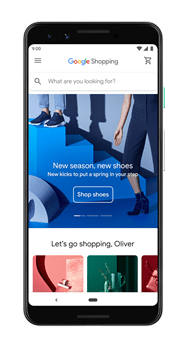
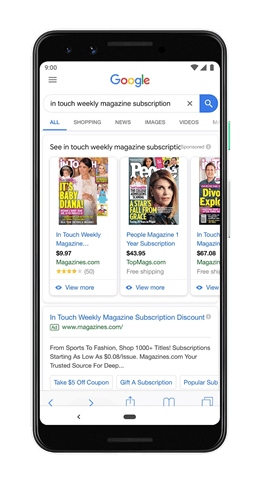
Google is giving its Shopping destination a revamp and introducing a universal cart across its platform of services, including Search, Shopping, Images, and even YouTube. The search company announced today an entirely redesigned and now personalized Google Shopping experience where shoppers can discover and compare products, then checkout instantly using their Google account.

As a result, the Google Express app will become the new Google Shopping app as the standalone “Express” brand is merged into the new set of Shopping products and features.

The changes appear to be a competitive move meant to rival all the new ways consumers shop and discover products online — such as browsing Pinterest, or being inspired by Instagram ads or shoppable posts, for instance.

Meanwhile, Google knows that its network of sites are also often part of the shopping process, but it hasn’t always well-capitalized on this. People today use web searches, or look at pictures of products they want on Google Images. Sometimes they even watch YouTube videos where the products are unboxed, demonstrated, and discussed.

Now it aims to leverage its various platforms and increase its ad revenue.

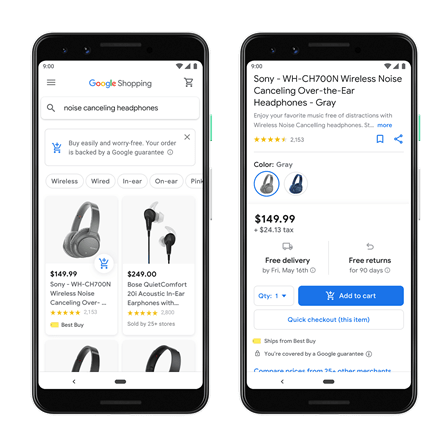
For starters, it’s introducing a new, personalized Google Shopping homepage where consumers can filter products by brands they love, or features they want, as well as read product reviews and watch videos. For example, explains Google, if you were in the market for a set of new headphones, you could filter for attributes like “wireless” or a brand like “Sony.”

Some items will also include a blue shopping cart button that, when clicked, will allow the consumer to add the item in question to a universal cart where the purchase is backed by a Google guarantee, plus customer service and easy returns.

This, says Google, represents a merging of Google Shopping with Google’s other checkout and delivery service, Google Express. Following the changes, the Google Express app will update and become Google Shopping instead. it will feature the all-new Google Shopping experience which has the transactions built in and the universal shopping cart.

Brands that already participate in Shopping Actions for Google Assistant will be included in this new purchase experience, which is going live now across Google Shopping, Google.com, and the Google Assistant.

Shopping Actions will expand to Google Images and YouTube later in the year.

In other cases, retailers may use ads, including the highly visual Showcase Shopping Ads, to drive traffic to their own websites instead. These ads were previously available on Google Shopping, and are now expanding to Google Images, the feed on Discover, and soon, YouTube.

That means if you’re on Google’s app or watching YouTube videos for ideas, Google will now be able to capture that interest and turn it into clicks and conversions. These ads today appeal mostly to newcomers to a brand, as 80 percent of traffic to retailers’ websites from a Showcase Shopping ad is from someone who just discovered the brand, Google notes.

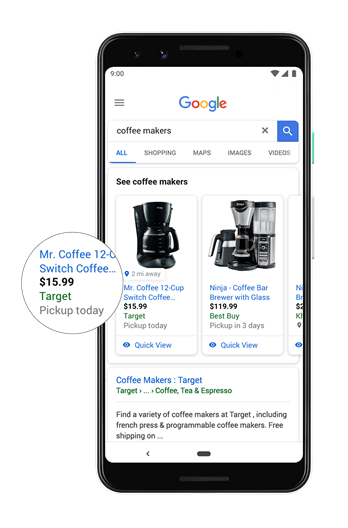
In addition, Shopping ads are being updated to drive in-store pickup traffic. That is, when consumers shop online and click through to buy from a Shopping ad, they will have an easier way to purchase items for in-store pickup. This beta feature requires merchant participation, however. The retailer will need to have product landing pages on their sites that show when in-store pickup is available as well as a local inventory feed in the Merchant Center that shows which items are in stock, and optionally a list of items that can be quick-shipped to a local store.

Retailers will also now be able to optimize their Shopping ads not only by specific goals but by where the ads display, too. For example, they can choose whether ad campaigns appear on Google.com, Images Search, YouTube or elsewhere across the web. Brands can also work with their retailer partners to use the brand’s own budget in order to help promote top products in retailers’ shopping campaigns. Those interested in this Shopping campaigns with partners beta program, have to sign up to participate. 

Google has been moving towards this direction for some time. Google Express wasn’t really working, but Google knew that it had the traffic elsewhere across its platforms that could turn product discovery into ad dollars, clicks, and conversions. In the past, it began testing new layouts for Images that looked just like Pinterest, and tried used its Image site to connect users to Pinterest-like interests, including recipes and products. On YouTube, it’s been rolling out Merch shelves under videos, as well, which allow creators to sell items — a feature that blazed a trail to make YouTube a more shoppable platform.

“We’re making the places where people come to browse and explore products on Google shoppable,” said Surojit Chatterjee, Vice President of Product Management, Shopping, in an announcement. “These new shopping experiences let people shop and purchase frictionlessly right where they already turn to for research and inspiration: Search, Google Images, YouTube and a redesigned Google Shopping destination,” he noted.


Read Full Article

Google’s latest app, Rivet, uses speech processing to help kids learn to read


Rivet, a new app from Google’s in-house incubator, wants to help children struggling to read. The app hails from Area 120 — Google’s workshop for experimental projects — and includes over 2,000 free books for kids as well as an in-app assistant that can help kids when they get stuck on a word by way of advanced speech technology.

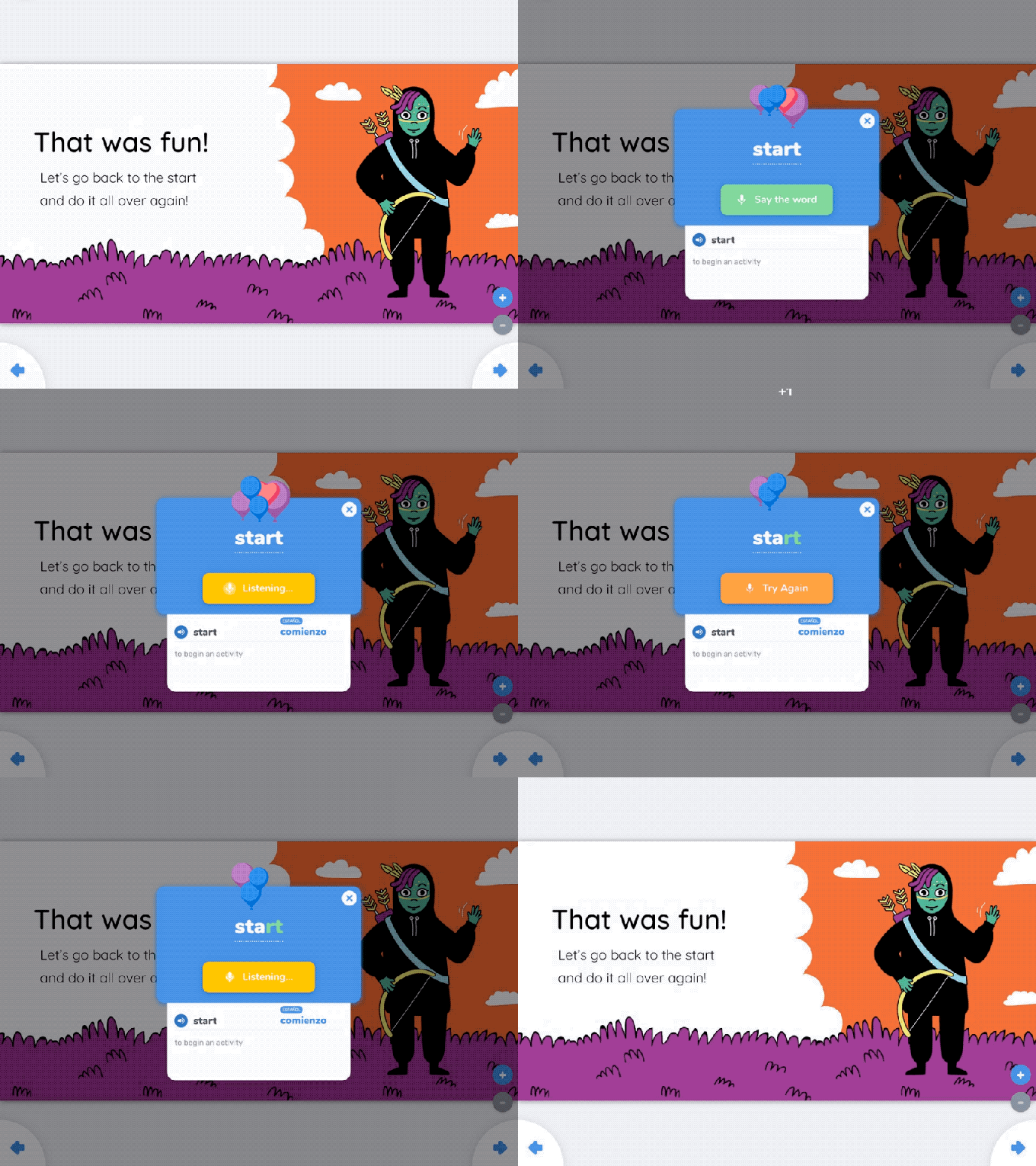
For example, if the child is having difficulties with a word they can tap it to hear it pronounced or they can say it themselves out loud to be shown in the app which parts were said correctly and which need work.

There are also definitions and translations for over 25 languages included in the app, in order to help kids — and especially non-native speakers — to better learn reading.

For younger readers, there’s a follow-along mode where the app will read the stories aloud with the words highlighted so the child can match up the words and sounds. When kids grow beyond needing this feature, parents can opt to disable follow-along mode so the kids have to read for themselves.

While there are a number of e-book reading apps aimed at kids on the market today, Rivet is interesting for its ability to leverage advances in voice technology and speech processing.

Starting today on Android and (soon) iOS, Rivet will be able to offer real-time help to kids when they tap the microphone button and read the page aloud. If the child hits a word and starts to struggle, the assistant will proactively jump in and offer support. This is similar to how parents help children to read — as the child reaches a word they don’t know or can’t say, the parent typically corrects them.

Rivet says all the speech processing takes place on the device to protect children’s privacy and its app is COPPA-compliant.

When the child completes a page, they can see which words they read correctly, and which they still need to work on. The app also doles out awards by way of points and badges, and personalizes the experience using avatars, themes and books customized to the child’s interests and reading level.

Other surprises and games keep kids engaged with the app and continuing to read.

According to Rivet’s Head of Tech and Product Ben Turtel, the team wanted to work on reading because it’s a fundamental skill — and one that needs to be mastered to learn just about everything else.

“Struggling readers,” he says, “are unlikely to catch up and four times less likely to graduate from high school. Unfortunately, 64 percent of fourth-grade students in the United States perform below the proficient level in reading,” Turtel explains.

Rivet is not the first app from Google aimed at tackling reading. An app called Bolo offers a similar feature set, but is aimed at kids in India, instead.

While Bolo was not an Area 120 project, others from the incubator have focused on education like learn-to-code app Grasshopper, or used speech processing technology, like customer service phone system CallJoy.

Rivet was previously spotted in the wild during beta trials this year, but is now publicly available and a free download on both Google Play and the Apple App Store across 11 countries, including the U.S.


Read Full Article

LinkedIn integrates and updates jobs and hiring platforms, hits 20M job postings


LinkedIn, the social networking platform for the working world that’s now owned by Microsoft, has leveraged its role as a repository for people’s work profiles into making itself a job hunting and recruitment powerhouse.

The company today has amassed more than 20 million job listings — up from a mere 300,000  five years ago — and sees its 600 million users collectively apply to jobs 25 million times per week. That activity also translates to big business: paid subscriptions specifically aimed at recruiters, paid tiers for average users who want to have more access to contacting people for jobs, job ads and more all contribute to LinkedIn’s bottom line, a business that is projected to hit $6.4 billion in revenues for 2019, growing 27 percent in the last quarter.

Now, LinkedIn is stepping up a gear in the operation. After a two-year effort, LinkedIn is today announcing that it has finally integrated its jobs and hiring efforts and announcing a raft of new features for both.

On the jobs front, they include instant job alerts, a redesign of the Jobs home page, and more salary insights available to all users (including free users), with skills assessments coming soon.

On the recruitment front, LinkedIn Jobs, Recruiter, and Pipeline Builder are all coming together to create a more seamless way to manage how you post ads, source candidates and other leads and ultimately  interact with them in the process of hiring them.

“This will mean higher quality candiates, better jobs and a better fit,” VP of product John Jersin said in an interview. When asked why it took so long to integrate these tools — and why the process didn’t happen five years ago, for example, he answered that it was more of a consequence of how expectations have evolved as tech has evolved to question some of the silos that are incumbent to how we do business.

“We designed these systems in a way that worked well, but no one foresaw what we needed,” he said. “Advancements in AI have driven the strategy, and integrating all this means we can all learn better from each other.”

The new features that LinkedIn is bringing to jobseekers are responses to how our communications have evolved with the rise of the smartphone. It notes that jobseekers who respond to ads faster are more likely  to get the job, so now when a job gets posted that meet your search criteria, you can get a ping within minutes of the posting. Meanwhile, the redesign of the Jobs homepage is more mobile friendly, with added search features that take into account how you navigate on handheld devices.

The skill assessments, meanwhile, seems to me to be a direct response to the many new innovations we’ve seen among e-learning and recruitment startups, where companies like Coursera and Triplebyte are offering more tools to people to figure out where the best fit might be for their skills in the working world. LinkedIn notes that these can both be used by individuals to verify their skills — tackling a perennial problem with people putting empty claims on their resumes — and also recruiters to source people for jobs.

Important steps for the company, but there remain a lot of opportunities for smaller and newer upstarts to take bites out of LinkedIn’s business in areas where it is still being slow to develop.

For example, we’ve seen the emergence of interesting, more targeted recruitment startups that focus on, say, recruiting with racial diversity in mind (as in the case of Handshake) or focusing on, say, women returning to work after having children (as in the case of the Mom Project). While LinkedIn has made some baby steps (no pun intended) in this area, there is still a ways to go, opening the door to others to come in.

“This is a challenging and multifaceted problem,” admitted Jersin, “but LinkedIn is committed to trying to solve it.” He said the company has quietly started to work on ways of picking up more information that “could be more useful” in addressing questions like these. “One thing that is important is a sense of trust,” he noted as one of the challenges that needs to be tackled online. “I think we are very lucky to be one of the few companies out there that can say that we would use this information responsibly, in the interests of jobseeker.”


Read Full Article

Sonos finally gets Google Assistant integration


After delaying a promised 2018 arrival (while offering a beta as consolation), Google Assistant is finally arriving on select Sonos speakers. Not an earth shattering bit of news, but certainly a nice little free software upgrade for those who already own a Sonos One speaker or Sonos Beam soundbar.

It’s a mutually beneficial deal for all parties. The addition of another assistant on top of Alexa lets Sonos embrace the growing smart home space without picking sides. For Google, meanwhile, it means getting its smarts on some decent home audio equipment beyond the Home Max speaker it doesn’t talk much about these days.

Initially available just in the U.S., users who download the update can use it for your standard array of smart assistant functions, including music playback, weather and smart home controls, using the speakers’ built-in mic array.

Sonos is clearly enjoying the ability to play both sides here. As it notes in a press release, the hashtag Sonos life means never having to settle for one.

The Google Assistant is Sonos’ second built-in voice assistant. Customers on Sonos will have the ability to choose an assistant for each individual speaker, with multiple voice assistants on a single system. With the Google Assistant on Beam in the living room and Alexa on the Sonos One in the kitchen, start a song with the Google Assistant, ask Alexa what’s playing, and vice versa.

The feature will start rolling out in other countries including the UK, Germany, Canada, Australia, France and The Netherlands in July, with more coming later in the year.


Read Full Article

Google announces $11.2 million grant fund for organizations working on safety


Google.org, the charitable arm of Google, just announced a new grant fund for European organizations. This fund in particular will support nonprofits, universities, research teams and for-profit social enterprises working on safety issues and combatting abuse.

Google.org has already partnered with the Institute for Strategic Dialogue to help organizations in the U.K. But they want to take this program one step further by expanding to other organizations across Europe.

Each eligible organization will receive between €50,000 and €1 million (between $56,000 and $1.12 million). Applications are open until June 28th. Google lists hate, extremism and child safety as key areas for today’s new fund.

The timing of this announcement is interesting. Last week, Google spent a lot of time talking about its efforts when it comes to privacy at its Google I/O developer conference.

Digital ministers of the G7 as well as Australia, India and New Zealand are also meeting in Paris tomorrow to discuss tech regulation. Among other things, they’ll talk about transparency on moderation processes to make sure that big online platforms remain safe.

With Google’s new fund, the company shows that it also cares about these issues and is already acting in order to make the web safer for everyone. But a grant fund doesn’t necessarily replace audit processes and legal requirements.


Read Full Article

India’s largest mobile wallet company Paytm now offers a credit card


Paytm, India’s largest mobile wallet app, has branched out to several businesses in recent years as threat from Google and Facebook grows. On Tuesday, it added another category to the list: credit cards.

The firm, operated by One97 Communications, today unveiled Paytm First Credit Card with lofty benefits as it races to bulk up its financial offerings. The cards, issued by Citi Bank, will be the first in the country to offer unlimited, one percent cashback on purchases, Paytm claimed in a statement. The company is hoping to rope in about 25 million credit card customers in the coming months.

The penetration of credit cards remains very low in India with under 50 million people possessing one. With people conducting most of their businesses through cash in the nation, banks have little understanding of a customer’s credit history and score. And it also doesn’t help that banks in India are still wary of issuing credit cards to those who don’t perfectly fit the traditional blue collar job.

But why is a company that made its name through a mobile payment wallet open to its customers engaging with credit card companies? Paytm itself is struggling to grow its business and retain existing customers. Some of its recent major bets haven’t exactly paid off. Its ecommerce business Paytm Mall remains tiny despite bleeding money.

But more importantly, payments itself has become a commoditized space. Users park their money in Paytm and do transactions from there. Paytm makes money from this accumulated sum. This business flourished for years, especially in the months after the Indian government invalidated much of the cash in the nation. But then the government launched its own payment infrastructure called UPI, which removes the need for a middleman.

This has made payments more convenient for users, who are increasingly jumping ship. UPI apps such as PhonePe that have emerged in the last two and a half years now see more transactions than wallet apps. To make matter worse for Paytm, Google and Facebook — two companies that have larger userbase in India — have entered the payments space. Google Pay reached 100 million installs on Google Play Store recently, and WhatsApp plans a nation-wide roll out of its payment feature in India later this year.

So Paytm is now expanding its financial offerings and credit card play fits well in it. With more than 200 million active users, Paytm rivals banks on both the number of customers and volume of transaction it processes.

“Our new offering is designed to bring utmost flexibility to our customers in their digital payment options and will help spur large-ticket cashless payments,” Vijay Shekhar Sharma, chairman and CEO of One97 Communications said in a statement.

Backed by SoftBank, Alibaba, and most recently Warren Buffett’s Berkshire Hathaway, Paytm has the capital to spur the adoption of its new credit card. As part of the package, Paytm’s credit card holders will be able to avail dining, shopping, travel and other offers that Citi Bank provides to its privilege customers. In the first four months of issuing a card, the company will offer its customers discounts worth Rs 10,000 ($142) on spending of Rs 10,000.

Paytm First Credit Card will work both in India and elsewhere and support contactless transactions. Like any other credit card, customers will be able to pay back a sum in multiple monthly instalments. Paytm First Credit Card will charge users a nominal fee of Rs 500 ($7.1) that will be waived off if their spendings through the card exceeds Rs 50,000 ($710) in a year.

If the gamble works, Paytm will be able to retain some customers and convince many to do big-ticket transactions. For Citi Bank, this partnership is just an easy ploy to acquire some customers.

In the meantime, Paytm continues to aggressively expand its financial offerings. In recent years, it has launched a digital payments bank, and has started to offer prepaid Forex cards for international purchases. It also lets customers buy gold, and employers issue food allowance wallets for their staff. Last year, the company announced Paytm Money to facilitate purchase of mutual funds.

Earlier this year, the company launched Paytm First, a subscription bundle that includes access to subscriptions from other services such as Zomato, Uber, Gaana, and Eros Now. In an interview with TechCrunch late last month, Paytm’s Sharma said payments is the moat around which you can build a number of services. “Now that’s a business model… payment itself can’t make you money.”


Read Full Article

Unlock 500+ Premium Courses on Coding, Design, and Marketing With StackSkills


In today’s job market, being adaptable is very important. As some roles are fading away, new lucrative niches are opening. To take advantage of these opportunities, you need to keep on learning new skills. StackSkills helps you do just that, with unlimited access to over 500 video courses. The platform covers coding, design, marketing, finance, and countless other topics. Right now, you can pick up lifetime access for only $59 via MakeUseOf Deals.

Unlimited Learning

Although college degrees are still valuable, recruiters are increasingly looking for people with real-world skills and experience. From app development to financial trading, there are thousands of exciting careers you can enter with some basic training.

StackSkills helps you acquire the necessary knowledge, no matter what job you’re aiming for. This online learning platform is filled with great content from expert tutors.

Delivered through video lessons, you will find courses in IT, development, graphic design, finance, business, marketing, and more. Within each topic, there are courses for beginners, intermediate and advanced students.

Each course gives you the opportunity to earn certification, and you can easily track your progress in your account. As a member, you also get access to quarterly instructor Q&A webinars and premium support. In addition, new courses are released every month.

Lifetime Access for $59

Lifetime access to StackSkills is worth $1,495, but you can become a member now for just $59.

Read the full article: Unlock 500+ Premium Courses on Coding, Design, and Marketing With StackSkills


Read Full Article

AI Can Do What? 5 Sites for Mind-Blowing Creations by Artificial Intelligence


ai-creations

Artificial Intelligence (AI) is growing at a pace that us non-technologists can’t quite comprehend. To realize the true power of what is possible with AI, check out these five sites for the mind-boggling things it can create.

Through deep learning, machine learning, or AI, these websites show how AI can now create something new out of scratch. This ranges from writing a poem based on your input to creating a selfie of a person that does not exist.

1. Poem Portraits by Google (Web): AI Writes Poems About You

Google's Poem Portraits generates original unique two line poems using AI

The Google Arts and Culture lab comes up with cool stuff all the time. Poem Portraits is a collaboration with artist Es Devlin and creative technologist Ross Goodwin. In the app, AI will write a unique new poem for you, and turn it into a funky portrait.

Here’s how it works. Poem Portraits first asks you to enter a word. Based on that it will come up with a new two-line poem. The algorithm has been trained over 20 million words of 19th century poetry.

Next, the app asks you to take a selfie with your webcam or your phone. It then shows you the final output of the two-line poem, which is also turned into a painting of your selfie. The words are laid across the shape of your face, with a few filters applied, making this a unique self-portrait of your face and your own poetry.

You can check “Collective Poem” to see all the two-line poems generated so far. In essence, Google’s AI is creating art in collaboration with you, about you. It’s mind-blowing!

2. 9 GANS (Web): AI Creates Nine New Paintings Every Hour

9 GANs is AI that creates nine new paintings every hour

Generative Adversarial Networks (GANs) are the preferred tool of many AI creators these days, especially when it comes to working with graphics. The AI learns a lot based on the images it is fed, and then it can create new images based on the patterns it has learned.

9 GANS uses this technology to create new pieces of artwork. The AI generates nine new digital paintings every hour. After the hour is up, the paintings are deleted forever, adding charm and value to them due to their short life. And the AI starts generating nine completely new paintings, in random order.

The styles might seem familiar sometimes because the GAN is based on famous paintings. But how it mixes and matches learnings from thousands of paintings to create something new is the cool part.

3. This X Does Not Exist (Web): Collection of AI-Based Creators

This X Does Not Exist is a collection of AI random creators like This Person Does Not Exist

9 GANs isn’t the only computer-based creator out there. The most famous GAN-based website on the internet today is This Person Does Not Exist (TPDNE), which creates real-looking fake human faces out of nothing.

TPDNE inspired several others to make such AI-based sites. This X Does Not Exist collates all these AI creators in one place. The collection includes AI-generated cats, job resumes, Airbnb listings, startups, and other made-up creations that seem absolutely genuine.

Apart from the general wow factor of seeing something a machine made, these sites can also be useful. For example, TPDNE made it to our list of new free stock image sites worth checking out. The AI-made resumes by CV-maker EnhanCV show what an effective, filled-out resume should look like. But yes, more than anything else, it’s fun.

4. Computoser (Web): AI Creates New Music, Free to Download and Use

Computser creates original new music with AI

Computoser is so cool, so weird, and so fun that you must try it out. Let’s call it an AI-powered musician or band, which is ready to create a new song based on your likes and dislikes.

You can set different parameters like mood (happy or sad), tempo, accompaniment, classical, electronic-like, drums, dissonance, and the instruments and scale. You specifically want a french horn playing in major pentatonic? No problem.

Once you’ve tinkered with the settings, Computser’s algorithm will create a new track with that input. It’s the first time this is being done, so it’s uniquely yours. If you like it, you can even download it as a MIDI or MP3 file to use it in creative works.

There’s a section of free-to-use stock music collections, most liked tracks, and even a small game where you guess the instrument and tempo of a song. There’s a whole lot to like here, but nothing beats creating a new musical piece of your own, aided by your band Computser.

5. How to Generate Almost Anything (Web): MIT’s AI-Human Experiments

AI-generated ideas aren’t perfect yet and need some human assistance. Engineers at MIT wanted to see how far the AI-human collaborative creative process could go in the current avatar. Check out their experiments at this site.

So far, the algorithms and the teams have come together to create new music; new and weird pizza recipes, chocolate truffles, and cocktails; fashion, dresses, and perfumes; graffiti; and even viruses in a lab.

Each project has a full explanation of the process, but the more interesting part is the short video. Here, you can see the engineers actually execute the AI’s creation, and the reactions of both experts in the field as well as regular people. You’ll love it.

Play With Google’s AI Experiments

Poem Portraits is only the latest concoction of the mad scientists at Google. The company has been experimenting with artificial intelligence for years and has come up with other cool projects which you can play with.

From inventing a whole new type of sound to creating songs out of pictures you take on your phone, here are some of the coolest Google AI experiments you should check out.

Read the full article: AI Can Do What? 5 Sites for Mind-Blowing Creations by Artificial Intelligence


Read Full Article

Square Enix Reveals Final Fantasy VII Remake Trailer


Square Enix has released a new trailer for Final Fantasy VII Remake. And while it’s only a 60-second-long teaser, it reveals enough of the game to get us excited once again. The problem is we still don’t know when Final Fantasy VII Remake will be released.

A Brief History of Final Fantasy VII Remake

We first found out about Final Fantasy VII Remake when Square Enix announced the game at E3 2015. Final Fantasy fans had been clamoring for a remake ever since the opening sequence had been recreated to show off the graphical capabilities of the PS3.

Since E3 2015, there has been very little news about Final Fantasy VII Remake. We know that development was moved in-house, but apart from that Square Enix has maintained radio silence. Probably realizing it had announced the game a little too early.

The First Final Fantasy VII Remake Trailer

However, at Sony’s State of Play event, Square Enix revealed the first teaser trailer for Final Fantasy Remake. The footage is prefaced with “Development Footage. Subject to Change.” but it should at least give us an indication of what to expect from the final game.

We get to see the characters we love and hate, with Cloud, Aerith, Barret, and Sephiroth all making appearances. There are scenes and locations players will be familiar with. Plus the reimagined versions of enemies you’ll encounter in the game.

The trailer also makes it clear that this isn’t a shot-for-shot remake. It is instead a modern interpretation of the original. The battle system has even been switched from turn-based to realtime to bring it up to (what Square considers) modern sensibilities.

Square Promises More FF7 Remake Details Soon

Square Enix has promised more details will be released in June 2019. The game’s director, Tetsuya Nomura said, “Most of the plans are already in place in the run up to launch, so please bear with us a little longer until we can release more information next month.”

Until then, we don’t know when Final Fantasy VII Remake will be released, what system it will be released on, or any of the other important stuff. Still, you could always play Final Fantasy XIV for free to keep you going until we hear more about the FF7 remake.

Read the full article: Square Enix Reveals Final Fantasy VII Remake Trailer


Read Full Article

WhatsApp exploit let attackers install government-grade spyware on phones


WhatsApp just fixed a vulnerability that allowed malicious actors to remotely install spyware on affected phones, and an unknown number reportedly did so with a commercial-grade snooping package usually sold to nation-states.

The vulnerability (documented here) was discovered by the Facebook-owned WhatsApp in early May, the company confirmed to TechCrunch. It apparently leveraged a bug in the audio call feature of the app to allow the caller to allow the installation of spyware on the device being called, whether the call was answered or not.

The spyware in question that was detected as having been installed was Israel-based NSO Group’s Pegasus, which is usually (ostensibly) licensed to governments looking to infect targets of investigations and gain access to various aspects of their devices.

This is, as you can imagine, an extremely severe security hole, and it is difficult to fix the window during which it was open, or how many people were affected by it. Without knowing exactly what the exploit was and what data WhatsApp keeps regarding that type of activity, we can only speculate.

The company said that it suspects a relatively small number of users were targeted, since it would be nontrivial to deploy, limiting it to advanced and highly motivated actors..

Once alerted to the issue’s existence, the company said it took less than 10 days to make the required changes to its infrastructure that would render the attack inoperable. After that, an update went out to the client that further secured against the exploit.

“WhatsApp encourages people to upgrade to the latest version of our app, as well as keep their mobile operating system up to date, to protect against potential targeted exploits designed to compromise information stored on mobile devices,” the company said in a statement.

So what about NSO Group? Is this attack their work as well? The company told the Financial Times, which first reported the attack, that it was investigating the issue. But it noted that it is careful not to involve itself with the actual applications of its software — it vets its customers and investigates abuse, it said, but it has nothing to do with how its code is used or against whom.

WhatsApp did not name NSO in its remarks, but its suspicions seem clear:

“This attack has all the hallmarks of a private company known to work with governments to deliver spyware that reportedly takes over the functions of mobile phone operating systems.”

Naturally when a security-focused app like WhatsApp finds that a private company has, potentially at least, been secretly selling a known and dangerous exploit of its protocols, there’s a certain amount of enmity. But it’s all part of the 0-day game, an arms race to protect against or breach the latest security measures. WhatsApp notified the Department of Justice and “a number of human rights organisations” of the issue.

You should, as WhatsApp suggests, always keep your apps up to date for situations like this, although in this case the problem was able to be fixed in the backend before clients could be patched.


Read Full Article

Pocket Sky: Shines Light in Your Eyes to Help You Feel Awake


A new wearable device aims to give users an energy lift in 20 minutes by shining blue light in their eyes. It’s quite an interesting concept, and it could definitely come in handy for anyone who struggles with having enough energy throughout the day.

Pocket Sky Features

Basically, Pocket Sky is a wearable that shines blue light in your eyes in order to help you feel more awake by fixing your day-night cycle. It’s designed to work like the sun. By shining soft blue light into your eyes, it promises to slow the production of the sleep hormone melatonin, which should help you feel more energized and awake.

According to the creators, you only need to wear the device for 20 minutes a day to receive the full benefit, which sounds pretty convenient assuming it actually works as advertised.

Outside of daily use for gaining energy, the creators cite the benefits for travelers who are forced to deal with jetlag. Because when you’re out of sync with the day-night cycle, energy can be a major issue. They claim that their headset can help reset the body’s clock, which is critical to stopping jetlag.

Pocket Sky is portable. It’ll fit in your pocket and it won’t weigh you down, as it only comes in at 12g.

Obviously, something like this brings up a question of safety. We’ve often been told that staring at the blue lights of our smartphones is bad for us, so would directly shining light in our eyes actually be beneficial? According to the creators, the device is photo-biologically safe according to EN 62471:2008. They say that it “comes below its critical threshold by a factor of 20,” which means it should be safe to use.

Pocket Sky Price and Release Date

The creators of Pocket Sky are currently seeking funding on Kickstarter to bring their interesting wearable to market. It’s already exceeding its funding goal by a large margin. That means that barring unforeseen issues, the product should actually release.

The early bird specials are still available, which means backers can order a device for €99 (around $111). The company intends to deliver the Pocket Sky devices to backers in September 2019.

Before you jump in, make sure you’re aware of the risks that come with backing a crowdfunding project.

Read the full article: Pocket Sky: Shines Light in Your Eyes to Help You Feel Awake


Read Full Article

How to Unlock Your Phone Using Free Unlock Phone Codes


In the US, as in several other countries, mobile carriers sell phones with special offers or price cuts. But such phones are also often locked to their network. You can’t swap out the SIM card and use a different carrier’s network. Here are a few ways to unlock phones for free, or for a small price, while doing it legally and risk-free.

This article covers free unlock phone codes, as well as how to get your carrier to unlock your phone for free. If you’re a Samsung user, there is also a phone unlocking software that might work on several older devices.

Is It Legal to Unlock Your Phone?

Is it legal to for carriers to lock mobile phones to their network?

The US has flip-flopped on the legality of unlocking phones for some time. But the final verdict by the FCC (Federal Communications Commission) is resoundingly in favor of the consumer. Yes, it is legal to unlock phones.

More importantly, the FCC has mandated that all carriers should unlock phones for their consumers for free, if a consumer so desires.

That said, you need to know whether your phone is eligible to be unlocked. The FCC isn’t giving you a free pass to con the carriers. It explicitly states that you can unlock only “after you have fulfilled the applicable service contract, completed the device installment plan or paid an early termination fee.”

So, how can you tell if your phone is locked or not? Well, unless you intentionally bought an unlocked phone, it’s mostly likely locked.

Why Should You Unlock Your Phone?

Unlocked phones let you change carriers when abroad, and even at home

The biggest benefit of unlocked phones is that you are no longer at the mercy of a single provider. You are free to change networks as you see fit, so that you can use the SIM that best works for you in any region of the USA.

Unlocked phones also help tremendously when you’re travelling abroad. Land in any country, buy a local SIM card, and use it. It’s going to be much cheaper than racking up international call and data charges.

Finally, unlocked phones are excellent backup devices. Whether your main phone isn’t working, or someone needs to borrow a device for a few days, an unlocked device gets the job done.

What Unlocking Does and Doesn’t Do

what unlocking your phone enables and disables

It’s pretty simple. SIM unlocking a phone is only about letting you use any SIM card from any carrier, as long as it is compatible. You don’t get access to any developer features or hidden commands in the phone.

It cannot break the GSM-CDMA limitations of the phone. So, unlocked phones from GSM networks like AT&T and T-Mobile will let you fit SIM cards from GSM networks. But you can’t fit SIMs from CDMA networks like Sprint and Verizon. And vice versa.

3 Ways to Unlock Phones for Free or Cheap

Let’s say you have a locked mobile phone and want to get it unlocked. You want the safest and least expensive way possible, of course. Here’s what you can do.

1. Go to the Carrier

The first and best route is to go to the carrier. If you are eligible to unlock your phone, then it’s completely free!

The FCC says: “Participating providers may not charge existing or former customers additional fees to unlock a device if it is eligible to be unlocked. Providers may charge a fee to unlock eligible devices for non-customers and former customers.”

Here’s how to check if your phone is eligible to be unlocked:

If your phone is eligible, then either request to unlock it online or go to a store. Here are the direct links to contact each carrier:

  • AT&T
  • T-Mobile
  • Verizon: Contact Verizon at *611 from your Verizon Wireless Prepaid phone, or (888)294-6804.
  • Sprint: Visit the Sprint Unlocking FAQs or call 855-639-4644.

2. Get an Unlock Code Online

Unlock Radar provides SIM unlock codes for most phones and carriers

Ideally, you should unlock your phone through the carrier. But if you aren’t eligible by their terms and still want to unlock it, you’ll need to get it done via a third party. But it probably won’t be free.

Note: This method is a little iffy to use with iPhones now. We have a full guide to unlocking your iPhone, and we suggest you follow that.

The internet is full of websites that sell unlock codes. Depending on the country you are in, the manufacturer of the phone, and the carrier you use, you should expect to pay up to $30. Don’t spend any more than that if the seller asks, because you will find it cheaper elsewhere. You can get some codes for as low as $10.

We checked online reviews and testimonials to find sites that usually work, and offer refunds in case the code didn’t work. Here are some of the best:

While all of these are paid websites, you can get free unlock codes on Free Unlocks. This site is a part of the TrialPay network, by which you can get the first code from the site for free. You will need to sign up for TrialPay as a part of it, of course.

Online reports show customers of Free Unlocks repeatedly got the free codes, and successfully unlocked their phones.

3. Use a Free Software for Samsung Phones

Wondershare Dr. Fone Toolkit unlocks Samsung Android devices for free

If you’re using a Samsung Android phone, one desktop software claims to also unlock devices for free. Wondershare’s Dr. Fone Toolkit is a paid program for Windows, but the trial version is free.

With the trial version, you can try out the SIM unlocking service for free. You will find it under the More Tools section, and you will need a USB cable to connect your phone to the computer.

Dr. Fone Toolkit is a little old and might not support all Samsung phones, but it claims to work with over 400 models across 60 countries. Here’s a full list of supported devices.

And in case you’re worried, Dr. Fone has an active customer care service, offers a money-back guarantee, and says the software won’t affect your data.

Download: Wondershare Dr. Fone Toolkit for Windows (Free)

It’s Better to Buy Unlocked Phones

The next time you are buying a phone, take a moment. The price of a SIM-locked phone is substantially cheaper than an unlocked phone at the outset. But there are hidden costs to this, such as specific tariffs and plans for that phone, and a lock-in period.

It’s why we always recommend that you buy unlocked phones and save hundreds of dollars. The flexibility to switch to different mobile plans, as well as the freedom to change SIM cards when you travel, will save you more money than the initial difference between the locked and unlocked handsets.

Image Credit: somrak jendee/Shutterstock

Read the full article: How to Unlock Your Phone Using Free Unlock Phone Codes


Read Full Article

10 Video Sites That Are Better Than YouTube


There’s little doubt that YouTube is one of the best video sites in the world. And it’s by far the most popular. But there are some fantastic YouTube alternatives available online.

Online video is such an important part of the internet that there are countless video sites worth visiting. Here are the best YouTube alternatives to watch videos online.

1. Vimeo

vimeo results

Even if you visit YouTube on a regular basis, it’s worth adding Vimeo to your rotation of video sites. The site was the first on the web to support high-definition videos, and while it does include a selection of user-generated fare, its emphasis is more on high-quality content.

Vimeo also offers some TV series and supports 360-degree videos.

The site has an easy-to-browse search feature that organizes videos by category and channel. Not sure what to watch? A regularly updated selection of Vimeo staff picks can help point you in the right direction.

See more reasons to watch videos on Vimeo instead.

2. Metacafe

metacafe videos

Metacafe is a video site that specializes in short-form video content. It is one of many video sites like YouTube.

Content includes everything from highlights of the world’s best surfers, quick and to-the-point product reviews, and tips on how to complete a difficult level on your favorite video game.

One of Metacafe’s strengths is its simplicity. Its browsing interface is fairly straightforward, with a menu bar that links to Latest, Popular, and Trending videos. Those who want to take a deeper dive can click the drop-down menu on the left, which features a more extensive list of video categories.

3. Dailymotion

dailymotion videos

Dailymotion is another video website like YouTube. It went live in March 2005, just one month later than its more famous rival.

Today, Dailymotion is probably YouTube’s most like-for-like competitor. There are millions of videos uploaded by both professional publishers and amateurs. Videos on the homepage are organized by category, and hot topics and trending videos are given prominence.

Dailymotion lets you create an account. The more videos you watch, the more personalized the site’s recommendations become.

4. Veoh

veoh videos

Originating from Israeli startup Qlipso, Veoh is a YouTube alternative that describes itself as an internet TV company. The site boasts millions of videos, most of them professionally produced.

Veoh features a wide range of TV content, including full episodes and clips from shows including NCIS, Two and a Half Men, The Price Is Right, and The Young and the Restless. It also has videos from classic series, such as Family Ties, Melrose Place, and the original Beverly Hills 90210.

In addition to TV clips, Veoh has music content across a wide range of genres. It also has a movie section that includes some full-length features, as well as memorable clips from a large number of films.

5. The Internet Archive

internet archive videos

The Internet Archive is a web-based library of all sorts of free content, including books, music, software, and, of course, movies.

Just as you might associate a physical library with doing research, one of the strengths of The Internet Archive’s video content is its vast collection of historical content. While it does also have some newer content, some of its best videos are older and obscure news reports, TV series, and movies that are typically hard to find on other sites.

Like many other sites, users can also upload videos to The Internet Archive. When uploading videos, H.264 is the common video coding format used.

6. Crackle

sony crackle video

Owned by Sony Pictures Entertainment, Crackle is an online streaming site that features original shows for the web, as well as Hollywood movies and TV series from various networks.

Some of Crackle’s original content has earned critical acclaim, including the web series Comedians in Cars Getting Coffee starring Jerry Seinfeld. It also has a good selection of TV shows from the past, such as All in the Family, 227, Firefly, Mad About You, and News Radio.

Finally, Crackle offers some older movies you may have missed, such as Night of the Living Dead, Animal House, Paranormal Activity, and Rudy.

7. Twitch

twitch video

Twitch is the web’s best live streaming platform. The site is owned by Amazon.

The main focus of Twitch is live video game streaming, esports, and gaming-related talk shows. There are also some non-gaming videos. Most notably, Twitch has broadcast several live music videos from festivals and concerts. International DJ, Steve Aoki, famously broadcast an entire set from Ibiza back in 2014. Today, Twitch is the official streaming partner for the Ultra Music Festival in Miami.

There’s also an IRL (In Real Life) category and a Creative category.

8. The Open Video Project

open video project menu

The Open Video Project was developed at the Interaction Design Laboratory at the University of North Carolina Chapel Hill’s School of Information and Library Science. It’s targeted toward the research community, including those who work with multimedia retrieval and digital libraries.

With that in mind, most of the videos found on The Open Video Project are educational in nature. There are many videos from the archives of NASA, as well as a collection of classic TV commercials and educational films dating back to the 1950s. If you’re looking to research historical video content, give The Open Video Project a shot.

9. 9GAG

9gag videos

9GAG is a collection of all things fun and goofy: funny photos, GIFs, gaming videos, memes, anime, and more.

Most of the content is fun and frivolous. Video titles include “A Compilation of the best Commercials Starred by the Star Wars Crew,” or “This High School Love Story Will Warm Your Heart and Then Break It Before You Know What Happened”.

It’s the type of stuff that’s hard not to click on and then spend hours browsing. Before visiting, be warned: the site contains a number of videos that are somewhat risqué and may not be safe for work.

10. TED Talks

ted talks

TED Talks is a leading video website. It features more than 2,300 talks covering a vast swathe of topics, such as technology, business, design, science, and global issues.

Some of the talks are funny, while others are emotional. Some talks are meant to explain how your brain works, while others are there mainly for entertainment. The one constant with all the TED Talks videos, however, is that you’re likely to take something memorable out of each one.

The TED Talks website is particularly handy if you’re squeezed for time. Videos that appear on the menu are tagged with an easy-to-see red circle if they’re shorter than six minutes.

What’s Your Favorite YouTube Alternative?

YouTube is the top video website for a number of reasons, including its huge selection of videos and association with Google. However, the video sites listed above are all worthy YouTube alternatives.

If you’re still looking for more videos to watch online, check out our list of the best free movie streaming sites and our list of niche streaming services that aren’t Netflix.

Read the full article: 10 Video Sites That Are Better Than YouTube


Read Full Article