28 September 2019

Cracking the code on podcast advertising for customer acquisition


Of the various channels available to growth marketers, podcast is among the most misunderstood.

Brands like Dollar Shave Club, Squarespace, and ZipRecruiter have deployed podcast advertising for user acquisition for years, but it’s still a channel that flies under the radar. We have managed tens of millions of dollars in podcast ad spend for challenger brands and market leaders alike, and are eager to share some tricks of the trade.

If you want to test in a channel where early adopters are being rewarded with both attractive CAC and scale, here’s what you need to know:

  1. Podcast advertising is used very successfully as a direct-response channel with CAC on par with other consideration-stage activities. It is not just for awareness.
  2. Podcast reach is very good, reaching 51% of US audiences aged 12+ monthly.
  3. Ads read by hosts outperform canned “programmatic” ads.
  4. Tracking is harder than most digital channels and the cost to test the channel is higher than most digital channels.

Dive deeper on podcast ads and other growth marketing tips with Extra Crunch’s ongoing coverage of growth marketing, where Right Side Up was recently featured as a Verified Expert Growth Marketer. 

Who listens, who advertises, and why bother?

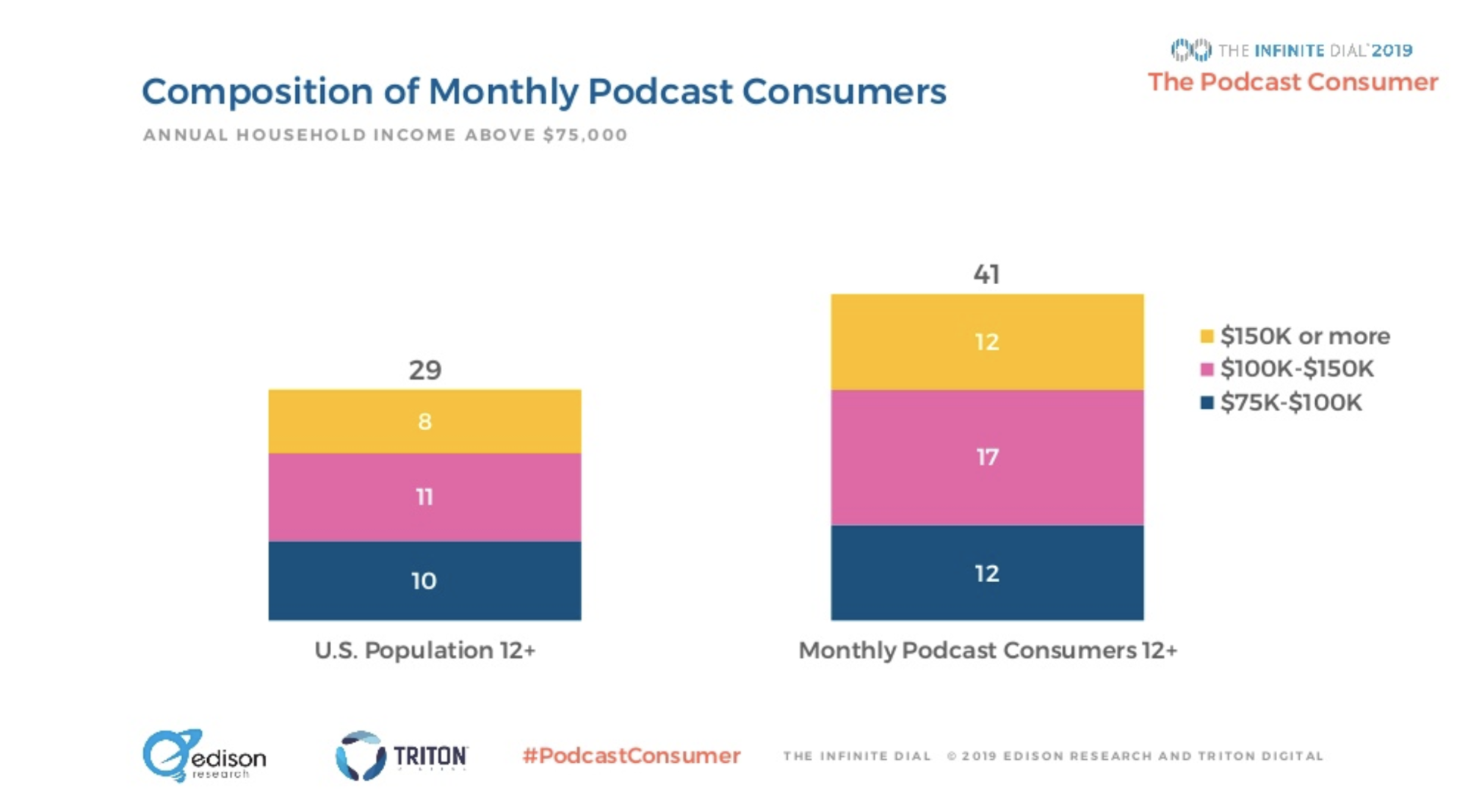
Podcast listeners are a sought after group – the audience trends towards educated, early adopters with a high household income. You can find this profile elsewhere, but what makes podcasts unique is that they are choosing to consume that particular content time and time again. The host becomes a trusted voice to deliver them not only interesting stories and banter, but information on companies as well.

Often podcast advertisers are newcomers or start-ups, and the podcast ad might be the first time the listener has heard about that company. Having the first touch with consumers be from a thorough, personal, and often funny host-read interaction is incredibly valuable and helps brands jump over the credibility hurdle. Compare that to an impersonal banner ad, and I’d choose a podcast ad every time. image2 1
Even though the term ‘podcast’ was coined in 2004, advertising in the medium has exploded in the last ~5 years. The IAB has been tracking podcast ad revenue since 2015, when the entire medium generated #105.7 million in ad sales. It recently released its third study of podcast ad revenue, which estimated the US market at $479 million in 2018, with growth accelerating to a projected  $1 billion+ by 2021.
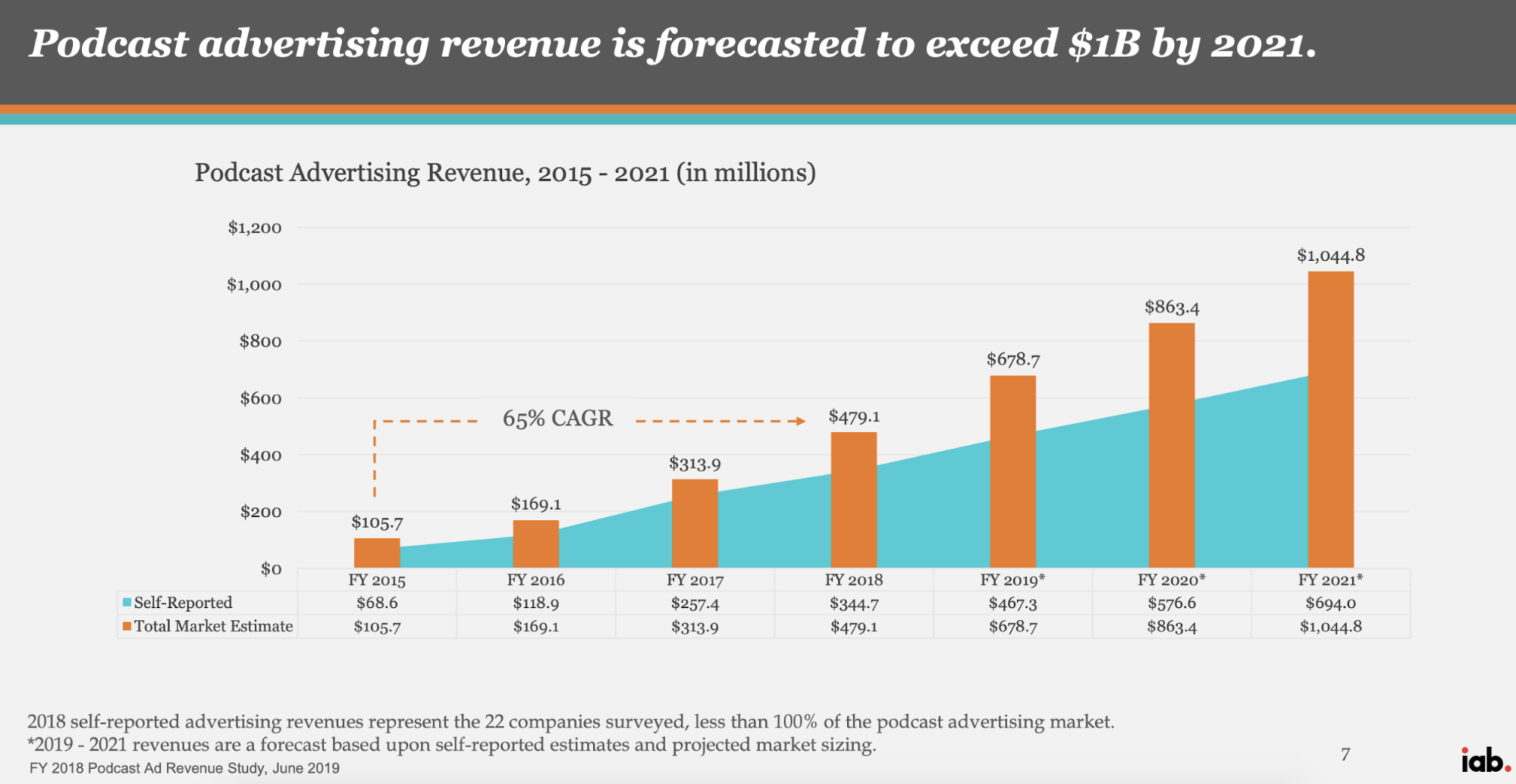
image1 5

Andreesen Horowitz did a great investor profile on the space earlier this year, with a helpful rundown of the holistic ecosystem, from hosting mechanisms and platforms to the pace of podcast monetization.

Historically, the medium has been dominated by a mix of comedians doing their own thing, radio entities simulcasting sports shows, and otherwise popular shows that had a devoted niche following relative to other mediums. Most advertisers bought podcast ads as an extension of their other audio acquisition campaigns.

Podcasts go mainstream

Then Serial came along, in 2014, exploding into popularity and pop culture. They ran a MailChimp ad that had someone mispronouncing the name of the company as “MailKimp”, which was a funny inside joke for those in the know. Nina Cwik and David Raphael, co-founders of Public Media Marketing, explain the initial conversation around this now iconic spot.

“While discussing a launch sponsorship with sponsors there wasn’t a huge amount of interest in taking a risk on a new show even with the amazing This American Life provenance. MailChimp was committed to supporting Serial. The talented production team at Serial and This American Life created MailKimp and the sponsor was rewarded for believing in the show.”

Not only were they rewarded by being a launch sponsor of one of the most successful podcasts in history, but once Serial and the medium itself expanded, a loving impersonation of Serial host Sarah Koenig and the MailKimp joke eventually made its way into a Saturday Night Live skit. Serial also appealed to a female audience, helping to bring new listeners into the channel, and podcasters and advertisers followed.

Over the past 5 years, the space has diversified. We now see so many different shows with all flavors of true crime, news and politics takes that you don’t hear in the broader media picture, women talking to other women about literally everything, comedy and pop culture pods as diverse as Bodega Boys, Who? Weekly, and RuPaul: What’s the Tee with Michelle Visage, and a podcast to go with every reality and television show you can think of. There are too many shows to talk about; there are over 750,000 shows indexed by iTunes.

How to engage for growth advertising

So how do companies start testing in podcasts? And how do they do so successfully?

Start with a strong (but doable budget) and take your time

We advise companies to start with a test spend that you consider meaningful in the context of your other customer acquisition efforts. Initial tests in the channel that are properly diversified typically vary from $50,000 to $150,000 in media cost. If the idea of a testing budget in the high five figures makes you gasp, don’t rush it. If you under-invest, you run the risk of a false negative, i.e. you didn’t spend enough to validate performance, or a false positive; when you buy tiny shows, one or two sales may pay back. If you make media decisions at scale based on that data, you may find yourself in deep water. If the risk of testing a new channel and having a dip in your CAC is too great, we recommend you exhaust other channels, like Facebook, before jumping into the podcast space.

Podcast offers advertisers a low barrier to entry. Creative production is limited to producing copy points for hosts to use as they record their ad reads. However, it is quite manual relative to digital channels, and can take weeks to put into place. Most purchasing is done through a show’s sales representation or network, via calls and emails, and set in advance (sometimes way in advance depending on inventory levels). It entails RFPing multiple network partners, doing research and outreach to independent shows, gathering rates and evaluating content, and finally making decisions based on budget and inventory availability. We often describe this as the media puzzle – making sure that the ideal shows, with favorable pricing are available when you want them to be. This can take time and some back and forth with your network rep to set in stone, so give yourself room to plan ahead.

What’s the media landscape look like and how do you pick shows? 
GettyImages 532749101

Image via Getty Images / venimo

We buy with a lot of direct shows, sales representation firms, and ad networks. We’re starting to see the beginnings of programmatic and exchange-based inventory become available, but it’s largely impression-based media, which isn’t yet a proven tactic that direct response-oriented advertisers can consistently use for customer acquisition. There are some managed service-like buying partners in the space, that work to varying degrees of efficiency for customer acquisition.

When it comes to choosing what types of shows to partner with, beyond budget and availability, it’s important to remember the obvious choice may not be the best one.

One of the most consistent, and pleasant, surprises in podcast advertising is how well shows that are seemingly unrelated to a product work well for customer acquisition. We’ve worked on products that had a primary target demographic of suburban moms, but guess what? Gamers want to stay at home and order snacks and food delivery, too; they have disposable income and are harder to reach via traditional channels.

If you’re advertising a product targeted to parents, you shouldn’t just test into parenting shows, you should also consider testing into shows with hosts who are parents, but have content not at all or tangentially related to parenting, like Your Mom’s House, with Tom Segura and Christina Pazsitzky. Sure, it’s a comedy podcast, and it’s NSFW (and hilarious). They’re also human parents who they do amazing reads, and their fans are legion.

Ryan Iyengar, CMO of HealthIQ, notes that “hosts with wildly different backgrounds were able to find a through-line to connect ad reads with their audiences, regardless of product line.” Of course, contextual advertising is worth consideration, and there are sometimes unique opportunities, but most successful shows aren’t a bullseye for content.

We’ve also seen the inverse, on contextual fit; food products can either do amazing or not well at all on food-related podcasts. If you have a food product with mass appeal, but one that (for example) many home cooks may already be familiar with, you may be better off doing just about any other popular genre of shows besides food.

Plus, these hosts are pros; they’ve been doing ad reads for everything from mattresses to meal kits for years. They know how to talk about your product in an engaging way.

Doug Hoggatt, the VP of Marketing at Betabrand, agrees, mentioning he would also coach new advertisers to “take the time to test across genres and hosts, you’ll be surprised at the results.” Iyengar is also the former VP of Marketing at ZipRecruiter; if you’ve ever heard a podcast, you may have heard the company advertised once or twice. He also notes, “[regardless of] content of the show, audiences can be interested in all sorts of topics, and are still potential customers. Yes, even hiring managers listen to comedy podcasts!”

Many business-to-business (B2B) advertisers do well in the channel, in part due to higher allowable CAC and high lifetime value (LTV). And the same point about show selection holds true for those audiences, as well. Visnick noted, “[HoneyBook] originally focused on testing industry-specific podcasts as those seemed to be the most natural way to target our prospective customers. We discovered that by diversifying our podcast mix into non-industry content we could still reach our target audience while also growing our reach and overall program performance.”

If we hear something that we think can help us at work, we’re amenable to that message, especially when it comes from our favorite host. Having an open mind to testing has helped so many advertisers unlock additional shows, and possible customers. You can take those insights back to other channels, too, and begin to integrate your campaigns and establish cross-channel frequency.

Pricing in the channel is unstable, and demand-based because inventory is finite; effective CPMs for host read, embedded mid-roll advertisements — by far, the most consistently performing ad unit for customer acquisition in the space — vary from $10 to $100. Yes, really.

Worrying too much about CPMs could mean that you’re leaving behind some of the best inventory in the space. So while it could make sense to cut higher CPM placements from a media plan, you want to be cautious. You could inadvertently cut out potential volume drivers or otherwise highly effective placements.

Allow for the host’s personality to shine through
GettyImages 521931185

Image via Getty Images / TwilightShow

The listener is there for the hosts. They relate to them, laugh with them, or laugh at them. They come to expect a performance from them, and often that performance bleeds into the ad reads. Whether it’s a semi-NSFW jingle about MeUndies from Bill Burr, or Joe Rogan recommending his mind-blowing NatureBox snack combination, or Levar Burton delivering an oh-so soothing Calm read.

Alan Abdine, Senior Vice President of Business Development for Rooster Teeth, a network with geeky, gamer shows with a hint of irreverence, said “the best ads are the ads that are organic, natural, and originate from the voice of the show talent. When brands allow our hosts to be themselves, there are more opportunities for entertaining side stories and commentary related to the brand.”

He continues to say his “belief is that if an advertiser is willing to spend money to reach out audience, then let us be the experts on that audience and let us use our own voice to share their message and talking points!  They will always get better results in that scenario.”

There is a certain special trust that goes into podcast ads. And to allow hosts to be themselves while also being a positive brand advocate often mean striking a balance between scripting and giving space. The most commonly purchased ad unit for customer acquisition advertisers is a host-read, embedded, mid-roll advertisement, typically :60 in length, but many hosts go over.

Overly scripting the copy can lead to an ad sounding inauthentic and infringe on their creativity. Kate Spencer, the co-host of Forever 35, notes that “often there are a lot of required talking points to hit in a short amount of time. We’re always happy to oblige, but I think it takes away from the organic and conversational nature of the ad, which is what makes podcast advertising especially unique. ”

On the flip side, not scripting enough could lead to a disjointed read where the host is trying to piece value props together on the fly. Nick Freeman, Chief Revenue Officer at Cadence13, explains that “some hosts do like the perfectly written out :60 script, while others like bullets they can riff off of.” Because podcast campaign test across multiple shows and personalities, it’s best to find a starting point in your copy where hosts can be guided, but not stifled. Freeman says “that doesn’t necessarily mean trying to make jokes for comedy hosts, for example, so much as it’s giving the hosts who do well with it the freedom to ad-lib.”

And for those that want to get a little more creative, the space is primed for custom integrations. Recently DoorDash partnered with Rooster Teeth for an ad on a livestream in celebration of a new game their studios were releasing. Since there was a visual element, DoorDash and Rooster Teeth partnered on a creative spin to the ad.

Instead of the typical copy, food would be delivered to the group of hosts while recording. Grant Durando, Senior Marketing Consultant at Right Side Up, works with DoorDash on their podcast campaign and stewarded this unique partnership. “[Rooster Teeth] approached us with the opportunity to engage with the live stream in a deeper way than just a regular podcast ad. It was definitely an unorthodox integration, but exciting to be in front of the right audience for DoorDash, at scale, and in a meaningful, memorable way. Many conversations about chicken nuggets later (which I never thought would be part of my job), Rooster Teeth and Vicious Circle delivered a superb ad experience, [integrating] multiple brand mentions and actually making DoorDash a part of the content itself.”

Zack Boone, Senior Director of Sales at Rooster Teeth, added there is, “nothing better than having clients that understand how impactful utterly stupid things like this can be for a brand.” DoorDash “[offers] industry-leading selection to our customers,” said Micah Moreau, VP of Growth Marketing at DoorDash. “It was incredibly effective to bring the DoorDash experience to life with Rooster Teeth in a highly differentiated, yet relevant way.”

How do you measure response?

Ads almost always end in some sort of call to action, like use the show’s promo code to save money, or visit a URL to get a free trial of a product for listeners of the show. It’s a way for shows to get credit for their listeners taking some sort of action, usually a purchase, related to hearing the ad.

And it’s how advertisers can figure out if their ad investments are paying back, too. Along those lines, Hoggatt was happy to see “how direct response the channel could be. I was surprised at the lift in site visits and follow-on orders that correlate so closely to when our podcasts drop.” Consumers have been conditioned to listen for that call to action at the end of an advertisement so we can measure a direct response in the channel.

That isn’t to say podcast advertising should displace a highly effective channel like paid social or paid search in your paid marketing testing priorities. We often ask advertisers information about their overall CAC or CPA  from other paid marketing efforts like Facebook or Google advertising, and use that data to benchmark target CAC for podcast.

As a general rule of thumb, if you can’t make Facebook or Google work for customer acquisition at meaningful scale, think twice before you engage in testing podcasts at a scale meaningful to your business. But if you’re looking for demand generating channels, podcast is an excellent contender.

“The success we’ve seen from podcast advertising has proven that we can drive sales through paid media outside of “traditional” direct digital response campaigns,” said Visnick. “We’ve significantly grown our podcast budget every quarter since we started testing the channel and it’s now a core part of our overall acquisition strategy and an important part of our media mix.

Don’t under-account for breakage or indirect activity

GettyImages 1160364589

Image via Getty Images / Olivier Le Moal

Another challenge for advertisers that aren’t used to offline channels is managing indirect activity, also sometimes called breakage. It’s imperative to look at indirect activity to help triangulate response, as another way to get a false negative is to only look at direct response, i.e. direct redemptions of a promo code or sales from only users who visited the vanity URL.

A decent analog is like view-through conversions, but without the technology enablement. You can tell, via tracking, what actions site visitors have taken after exposure to ads on Facebook and Google, etc.

However, there isn’t a way for a consumer to tap or click on your podcast ad, so you don’t have a direct action correlated to ad download or exposure, nor can you track indirect activity (view-through) via pixels or other technology enablement. The aforementioned promo code/vanity URL combo is what generates that direct response.

To get around this breakage and triangulate a full response, advertisers commonly use a post-conversion attribution survey, colloquially referred to as a How Did You Hear About Us? or HDYHAU survey. This allows for a crude, but effective, translation of the impact that podcasts had on that user’s activity.

It helps you determine how much of the activity you’re capturing in paid search, for example, may have actually been driven by podcasts, streaming audio, or television. It’s self-reported data from users, sure, and it can feel a little shaky when you’re used to more precise digital measurement, but it’s how virtually every scaled advertiser in the channel has discovered a path to scale.

It also helps you determine benchmarks before you get into other channels, and can provide a solid look at multi-touch attribution if the survey is designed with best practices, and served to enough of the population to achieve stability.

Why can’t we use measurement techniques from other mediums?

We already talked about why, even though podcasts are digital audio, we can’t track conversions digitally (we know, it’s a little crazy). Unlike television, where you can use spot-based attribution, or radio, where you can achieve consistent ad exposure and but according to average quarter-hour (AQH) ratings, there’s a delay in both download of an episode and media consumption.

For advertisers, that means performance comes in over time, and it takes a minute to build reach and frequency (R/F). You may see very little activity for the first week or two of a campaign, and then as R/F builds and crescendos, you’ll see conversion activity catch up. That’s when you can start to get a solid picture of return on ad spend (ROAS); you should have structured your tests so you have a good sense of performance by the third or fourth drop with a show.

Looking at results sooner is possible but largely inadvisable. “Give it time,” says Dan Visnick, CMO at HoneyBook, “It can take a few weeks to see the impact from a single podcast, and months to build a strong portfolio.”

One of the biggest mistakes new advertisers in the channel make is getting a false positive, by testing into tiny shows that back out because 2 people bought their product, and then quickly scaling in the same genre only to find out that the content doesn’t scale.

False negatives are also common, when advertisers get cold feet in the first few weeks of an integration, and cancel shows after one ad insertion in a single episode. The channel requires diligence in testing, and if you have other business challenges to navigate, using digital growth channels can help iron out your messaging, landing pages, etc. before you launch offline channels.

Although you may have honed your messaging in other channels, you should expect to be flexible when it comes to podcast creative.

Opportunities to expand to other audio acquisition opportunities

GettyImages 540366190

Image via Getty Images / Anastasiia_New

Positive signals in podcast campaigns can also indicate that other audio channels may be ripe for testing, which can help diversify your marketing mix and minimize the pressure on individuals channels. Hoggatt says his “success in podcast advertising proved that it is possible to invest in offline channels and find measurable success.”

SiriusXM and streaming platforms, whether pureplay like Pandora or Spotify, or aggregators like Westwood One and ESPN, are great next steps for advertisers who see the right signals in podcast. For SiriusXM, it’s a high household income audience that are used to paying for a subscription (any subscription model companies out there?), and streaming audiences are choosing to listen to their content, similarly to how podcast listeners choose their content. The podcast landscape is the perfect arena to play in to learn more about how your brand works in offline media and allows there to be a stepping stone into other mediums.

Be good stewards

We know that podcast advertising can have a powerful impact on the marketing mix for companies of all sizes. As more and more players get involved in the space, it benefits all involved, from advertisers, to networks, to marketers.

It’s rare to have an opportunity to participate in a nascent medium, and be good stewards of one of the last remaining mediums on earth with finite inventory and listeners who actually respond to ads. And along the way, we hope to change the way people think about traditional offline media channels, like how they can be held to high growth performance standards, and where they intersect with popular digital growth tactics like paid social.

You’ll have to get creative, but with some trust and patience, and adherence to best practices, advertisers can reap significant benefits and customer acquisition, at scale, from podcast advertising campaigns.

9 things growth marketers should do when getting started:

  • Create the team (and time!) needed to execute a campaign, whether in-house or via partnership with a subject matter expert like a consultancy or agency
  • Learn the language of podcast advertising, terms like download carry a lot of baggage and understanding them can impact your campaign’s performance
  • Budget your initial test(s) appropriately to avoid a false negative or positive result
  • Have an open mind on show selection; make sure you test across multiple genres and formats
  • Measure direct and indirect activity, to triangulate performance and business impact, and make optimizations and decisions on renewals
  • Support, don’t stifle, the personality of the show hosts
  • Get comfortable getting creative, and take time to onboard hosts
  • Keep an eye out for additional opportunities, not only in podcast, but in other audio channels as well
  • Be a good partner to shows, networks, and others in the space. It’s ours to nurture

Read Full Article

Not all is predictable on Facebook’s social Horizon


Most of the people I spoke with at Facebook’s Oculus Connect see the proliferation of virtual reality as a foregone conclusion, one that’s just a matter of timing at this point. For Facebook, the conference’s “The Time is Now” catchphrase showcased that they feel their hardware is ready for everyone.

But despite the success, they feel like they’ve tapped into when it comes to hardware iterations, the company’s bread and butter social networking prowess feels like it’s barely improved in-headset in the past several years of VR experimentations.

“On the social side, looking back, it’s kind of embarrassing all of the stages we’ve gone through at Oculus,” Oculus CTO and veteran programmer John Carmack conceded onstage during his signature rambling annual keynote, noting that his own social APK was followed by Oculus Rooms, Oculus Venues, Facebook Spaces and now the company’s latest shiny pearl Facebook Horizon.

Horizon’s debut this year included a flashy trailer for what quickly seemed to be the company’s biggest gamble and first potential social hit, a massive multi-player online world. In introducing the software, Zuckerberg talked about people-centric software as Facebook’s “bread-and-butter,” noting, “We build a lot of the best social experiences for phones and computers, and we want to do this for virtual reality as well.”

But Facebook does not actually appear to hold that much of an advantage over much smaller game studios in terms of understanding how to make social virtual reality experience take off.


Read Full Article

Not all is predictable on Facebook’s social Horizon


Most of the people I spoke with at Facebook’s Oculus Connect see the proliferation of virtual reality as a foregone conclusion, one that’s just a matter of timing at this point. For Facebook, the conference’s “The Time is Now” catchphrase showcased that they feel their hardware is ready for everyone.

But despite the success, they feel like they’ve tapped into when it comes to hardware iterations, the company’s bread and butter social networking prowess feels like it’s barely improved in-headset in the past several years of VR experimentations.

“On the social side, looking back, it’s kind of embarrassing all of the stages we’ve gone through at Oculus,” Oculus CTO and veteran programmer John Carmack conceded onstage during his signature rambling annual keynote, noting that his own social APK was followed by Oculus Rooms, Oculus Venues, Facebook Spaces and now the company’s latest shiny pearl Facebook Horizon.

Horizon’s debut this year included a flashy trailer for what quickly seemed to be the company’s biggest gamble and first potential social hit, a massive multi-player online world. In introducing the software, Zuckerberg talked about people-centric software as Facebook’s “bread-and-butter,” noting, “We build a lot of the best social experiences for phones and computers, and we want to do this for virtual reality as well.”

But Facebook does not actually appear to hold that much of an advantage over much smaller game studios in terms of understanding how to make social virtual reality experience take off.


Read Full Article

Daily Crunch: Facebook hides Like counts


The Daily Crunch is TechCrunch’s roundup of our biggest and most important stories. If you’d like to get this delivered to your inbox every day at around 9am Pacific, you can subscribe here.

1. Facebook tries hiding Like counts to fight envy

It looks like Facebook wants to end the terrible game of chasing Likes, and then the equally terrible feeling of failing.

The experiment starts today in Australia. A post’s author can still see the count, but everyone else will only be able to see who Liked a post, not how many Likes total it received.

2. DoorDash confirms data breach affected 4.9 million customers, workers and merchants

The breach happened on May 4, the company said, but added that customers who joined after April 5, 2018 are not affected. It’s not clear why it took almost five months for DoorDash to detect the breach.

3. My Galaxy Fold display is damaged after a day

Samsung’s new rebooted Galaxy arrives this week with one job: it just needs to not break. And yet …

4. 25+ launches from Uber’s big event

The company unveiled a slew of changes across all its products, designed to promote Eats and micromobility, make life easier for drivers, keep riders safe and make transportation more accessible. The big highlight? Two new visions for the future of Uber’s home screen.

5. ‘We are seeing volume and interest in Peloton explode,’ says company president on listing day

Despite dropping more than 10% in its first day of trading, the IPO was a bona fide success. Peloton, once denied (over and over again) by VC skeptics, now has hundreds of millions of dollars to take its business into a new era. (Extra Crunch membership required.)

6. Director Ang Lee explains why he built a digital Will Smith in ‘Gemini Man’

Lee made things even harder for himself by shooting the movie in 3D, at 120 frames per second. In that format, everything looks more clear and detailed than in traditional film, so an unconvincing effect would be even more obvious.

7. Tesla V10.0 car software update adds Smart Summon, Netflix/YouTube, Spotify, karaoke and more

The new “Smart Summon” feature will allow cars equipped with the optional full self-driving package to automatically drive themselves from a parking spot and collect you in a parking lot.


Read Full Article

27 September 2019

Drone Fishing


Drone Fishing

Google will soon open a cloud region in Poland


Google today announced its plans to open a new cloud region in Warsaw, Poland to better serve its customers in Central and Eastern Europe.

This move is part of Google’s overall investment in expanding the physical footprint of its data centers. Only a few days ago, after all, the company announced that, in the next two years, it would spend $3.3 billion on its data center presence in Europe alone.

Google Cloud currently operates 20 different regions with 61 availability zones. Warsaw, like most of Google’s regions, will feature three availability zones and launch with all the standard core Google Cloud services, including Compute Engine, App Engine, Google Kubernetes Engine, Cloud Bigtable, Cloud Spanner, and BigQuery.

To launch the new region in Poland, Google is partnering with Domestic Cloud Provider (a.k.a. Chmury Krajowej, which itself is a joint venture of the Polish Development Fund and PKO Bank Polski). Domestic Cloud Provider (DCP) will become a Google Cloud reseller in the country and build managed services on top of Google’s infrastructure.

“Poland is in a period of rapid growth, is accelerating its digital transformation, and has become an international software engineering hub,” writes Google Cloud CEO Thomas Kurian. “The strategic partnership with DCP and the new Google Cloud region in Warsaw align with our commitment to boost Poland’s digital economy and will make it easier for Polish companies to build highly available, meaningful applications for their customers.”


Read Full Article

Creativity builds nations | Muthoni Drummer Queen

Creativity builds nations | Muthoni Drummer Queen

In a hopeful talk followed by an empowering performance, musician and TED Fellow Muthoni Drummer Queen shares how industries like music, film and fashion provide a platform for Africans to broadcast their rich and diverse talents -- and explains how the shared experience of creativity can replace attitudes of exclusionism and othering with acceptance and self-love.

Click the above link to download the TED talk.

HTC’s new CEO Yves Maitre is coming to Disrupt San Francisco


Earlier this month, HTC cofounder Cher Wang stepped down from her role as CEO. In her place, former Orange EVP Yves Maitre has taken up the reins for the Taipei-based smartphone maker.

One of Maitre’s first acts as the head of HTC will be to join us at Disrupt in October. The interview — and his new role — comes at a tenuous time for HTC. The company has been harder hit than most by several years of stagnant smartphone sales.

In spite of a $1.1 billion deal in 2017 that gave Google access to most of the Taiwanese company’s R&D resources, the following year still saw massive layoffs. All the while, it has looked to emerging technologies like VR and blockchain as a potential way forward in an oversaturated market. In his first public interview, Maitre will discuss how HTC got here and what the company can and will do to help turn the ship around.

Maitre joins an incredible speaker lineup, which includes Steph Curry, Rachel Haurwitz from Caribou Bioscience, Joseph Gordon-Levitt, and Zoox’s Aicha Evans. Still need tickets? You can pick those up right here. 


Read Full Article

HTC’s new CEO Yves Maitre is coming to Disrupt San Francisco


Earlier this month, HTC cofounder Cher Wang stepped down from her role as CEO. In her place, former Orange EVP Yves Maitre has taken up the reins for the Taipei-based smartphone maker.

One of Maitre’s first acts as the head of HTC will be to join us at Disrupt in October. The interview — and his new role — comes at a tenuous time for HTC. The company has been harder hit than most by several years of stagnant smartphone sales.

In spite of a $1.1 billion deal in 2017 that gave Google access to most of the Taiwanese company’s R&D resources, the following year still saw massive layoffs. All the while, it has looked to emerging technologies like VR and blockchain as a potential way forward in an oversaturated market. In his first public interview, Maitre will discuss how HTC got here and what the company can and will do to help turn the ship around.

Maitre joins an incredible speaker lineup, which includes Steph Curry, Rachel Haurwitz from Caribou Bioscience, Joseph Gordon-Levitt, and Zoox’s Aicha Evans. Still need tickets? You can pick those up right here. 


Read Full Article

How one tree grows 40 different kinds of fruit | Sam Van Aken

How one tree grows 40 different kinds of fruit | Sam Van Aken

Artist Sam Van Aken shares the breathtaking work behind the "Tree of 40 Fruit," an ongoing series of hybridized fruit trees that grow 40 different varieties of peaches, plums, apricots, nectarines and cherries -- all on the same tree. What began as an art project to showcase beautiful, multi-hued blossoms has become a living archive of rare heirloom specimens and their histories, a hands-on (and delicious!) way to teach people about cultivation and a vivid symbol of the need for biodiversity to ensure food security. "More than just food, embedded in these fruit is our culture ... In many ways, these fruit are our story," Van Aken says.

Click the above link to download the TED talk.

The Galaxy Fold is now available for purchase in the US


This is, surely, the moment some loyal fans have waited for. And understandably so. The Galaxy Fold is, by all measures, an exciting phone. It’s the sort of bold brashness that has helped Samsung set itself apart from the competition. Many of us laughed at the Galaxy Note, too, and yet here we are, with larger phones across the board.

Five months after originally planned, the Galaxy Fold goes on sale today in the U.S. The handset has had its share of set backs, of course. The first round ran into problems from several reviewers for a variety of reasons. And as I outlined yesterday, I ran into my own issues with the reinforced version of the handset.

Even in its current version, the Galaxy Fold is a fragile thing. That’s something Samsung has been abundantly cautious about disclosing, through a video pleading to “just use a light touch” and a lot of paper work that ships with the device. I’ll be giving more thoughts on my time with the product in an upcoming writeup. In the meantime, however, anyone thinking of plunking down the $2,000 and up needs to factor that into the equation.

But this is a phone, not a faberge egg. It will be interesting to see how wider availability plays out. There is still a sense around the launch that we’re dealing with a sort of wider scale beta phase here. It would be silly to suggest that the foldable category will live or die by this launch, but it will surely be the most closely watched device release in recent memory.

Also out today is the Galaxy Watch Active 2. If been wearing that device around as well. More on that soon, but so far, so good.


Read Full Article
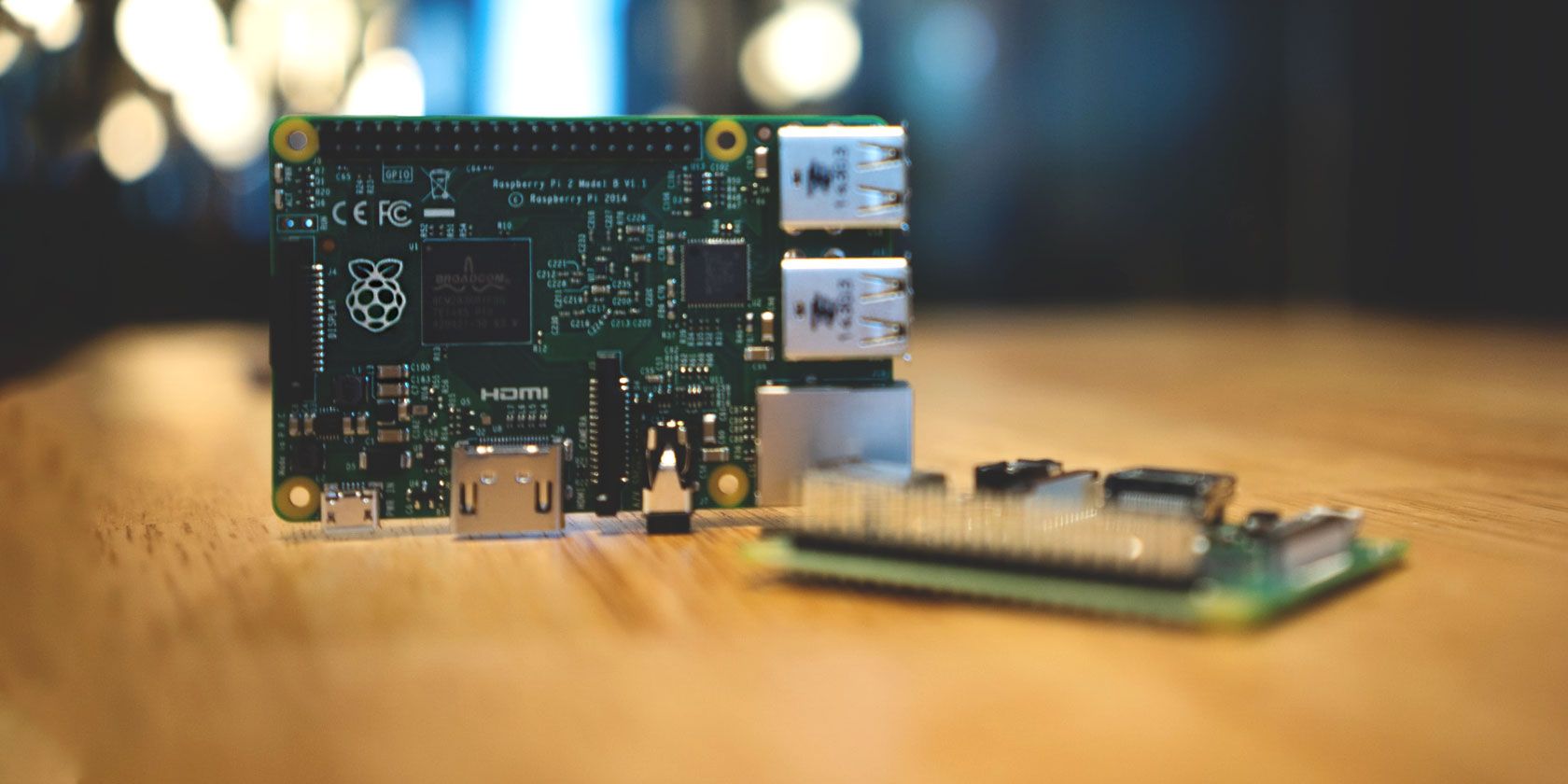
Turn Your Raspberry Pi Into a Media Server With Emby


raspi-media-server

Looking for a smart, easy-to-use Raspberry Pi media server solution with a good choice of client apps? Perhaps you looked at Plex or Kodi but found they didn’t seem right. If so, it’s worth giving Emby a go.

Easy to install and set up, Emby is a smart media server alternative. Here’s how to install Emby Server and Emby Theater on the Raspberry Pi.

What Is Emby?

Emby is a media server. While it isn’t as well-known as other solutions (e.g. Plex, or Kodi), open source Emby has client and server software. This means that you can install the server module on the computer with your media on it, then share to other devices using client apps.

Various plugins can extend the features of Emby. You’ll find IPTV plugins for internet TV, for example. Emby also offers built-in parental controls, to help protect your family from sensitive content. While Emby is less well-known than its competitors, the userbase is growing.

For more information, here’s why you should forget Plex and Kodi, and try Emby instead.

What You Need for a Raspberry Pi Emby Media Center

To build an Emby media server, you will need:

  • Raspberry Pi 2 or later (we used the Raspberry Pi 4)
  • microSD card (16GB or more for the best results)
  • PC with a card reader
  • Keyboard and mouse
  • HDMI cable and suitable display

Make sure you have a suitable power connector for your Raspberry Pi.

The process is straightforward: install Emby, connect it to your network, then use it as a media server. Media stored on a USB hard disk drive can be added to Emby, then served to devices on your network.

For example, the Raspberry Pi Emby box could serve your favorite home movies and photos to your TV or mobile.

Install the Emby Media Server on Raspberry Pi

Installing the Emby Server on Raspberry Pi’s default Raspbian Buster is straightforward. Open a terminal and update and upgrade to begin:

sudo rpi-update

sudo apt dist-upgrade

Next, use wget to download the ARMHF version from the Linux downloads page; this version is compatible with the Raspberry Pi.

wget https://github.com/MediaBrowser/Emby.Releases/releases/download/4.2.1.0/emby-server-deb_4.2.1.0_armhf.deb

Install this with

dpkg -i emby-server-deb_4.2.1.0_armhf.deb

Wait while this completes. Your Raspberry Pi-powered Emby server is installed. All you need to do now is configure it.

Configure Your Emby Media Server

Access the Emby Server via your browser. It’s easiest using the Raspberry Pi itself—use the address http://localhost:8096.

This brings you to the server set up. You’ll need to set the preferred language, username, password, and other options. Setup also gives you the option to link your Emby Connect account. This is a great way to connect to your server from any Emby account, without needing the IP address. However, it’s not necessary.

Following this, you’ll see the Setup your media libraries screen. Here, click Add Media Library.

Add media to Emby

Simply browse for the location, then set the meta information according to the menus.

Emby library meta settings

This is mostly language-based and shouldn’t take long.

Configure Meta settings on Emby

When you’re done adding media locations, click Save. It’s time to start viewing content on your Emby media server!

Connect Any Device to Your Emby Server

An impressive collection of apps is available for Emby. Want to watch on a smart TV? You can! You’ll also find apps for Android TV and Amazon Fire TV, along with Xbox One and PS4. Using Kodi? There’s an Emby add-on available.

Additionally, Emby produce mobile apps for Android and iOS mobile devices. There is even a version for Windows 10 and Windows 10 Mobile, as well as a HTML5 web client.

In short, all devices are covered.

To enjoy content on your Emby server, simply install the app and proceed through the setup. You’ll be asked for the server or device name, and if you set it up, the Emby account credentials.

Once this is all configured, you’ll be ready to enjoy streamed media from your Raspberry Pi Emby server.

Set Up Raspberry Pi as an Emby Client

Thanks to the Emby Theater tool for Linux, you can view the media files on your Raspberry Pi Emby server on another Pi.

Set up Emby Theater on Raspberry Pi

You have two choices to install the Emby Theater client app on a Raspberry Pi.

  1. Download the DEB file to your Raspberry Pi and install it on Raspbian Buster (or any Debian-based operating system).
  2. Alternatively, download a full disk image, write it to a spare SD card, and boot this.

Use the appropriate download link based on how you plan to install Emby on your Pi.

Download: Emby Theater DEB File for Raspbian Buster

Download: Emby Theater Disk Image

With your chosen download complete, it’s time to install Emby.

How to Install Emby Theater on Raspbian Buster

Get started with Emby Theater by downloading the DEB file from GitHub. This should be downloaded direct to your Raspberry Pi, or to a location from it can be copied to the Pi.

Next, open the terminal and update and upgrade:

sudo rpi-update

sudo apt dist-upgrade

Next, run the installation command:

sudo apt install -f ./emby-theater_3.0.9_armhf.deb

Then reboot:

reboot

Finally, run Emby with

emby-theater

Want Emby Theater to autostart when you boot your Pi? That’s not a problem. In the terminal, edit the autostart file:

sudo nano ~/.config/lxsession/LXDE-pi/autostart

Scroll to the end and add:

@emby-theater

Save and exit (Ctrl + X, then Y) and restart your Raspberry Pi. Emby should automatically start. Of course, if you want this functionality then it’s smarter to just install the disk image.

Install Emby Theater From a Disk Image

To turn your Raspberry Pi into a dedicated Emby client, download the zipped disk image to your main PC.

Next, unzip the file. By now you should have your Raspberry Pi’s SD card inserted in your PC’s card reader.

Launch Etcher, then click Select image to browse for the IMG file. Ensure that the correct drive is selected (Etcher is good at autodetecting flash media but check regardless) then Flash. Etcher will format the media and write the Emby disk image.

Install Emby Theater on Raspberry Pi with Etcher

A notification will appear when done. Close the software, safely eject the SD card, then replace it in your Raspberry Pi. The computer should boot straight into Emby Theater.

Stream Content on Raspberry Pi With Emby

Emby brings a whole new dimension to serving media on a Raspberry Pi. To start off, it’s compatible with the Raspberry Pi 4, and the hardware boost this delivers over its predecessors.

Browse files on your Raspberry Pi Emby server

But there’s more to Emby. Don’t want the bells and whistles of a Raspberry Pi Plex server? Find that streaming content on Kodi isn’t as smooth as you would like? Don’t worry. Emby has a clearer focus to sharing media on your network. Sure, you can upgrade to the Emby subscription program for additional features, but you probably won’t need these.

With apps for virtually any device, you’ll find Emby is perfectly suited to the Raspberry Pi and your media files.

Considering alternatives? Here are more ways you can set up your Raspberry Pi as a media server.

Read the full article: Turn Your Raspberry Pi Into a Media Server With Emby


Read Full Article

6 Signs It’s Time to Replace Your Mac


mac-replace

While Apple’s computer hardware lasts a long time, you’ll still have to say goodbye to your Mac at some point. If you’ve had trouble with your machine, you might wonder when to get a new MacBook or if you should stay with your current one a bit longer.

Let’s look at some of the major signs that your Mac is out of date. We’ll look at ways you can work around these issues, plus consider whether it’s time to purchase a new computer.

How Long Do Macs Last?

Whether you’re taking stock of your old machine or thinking about the value of a new purchase, you might wonder how long MacBooks and other Mac models last.

There isn’t an exact answer for this, as it depends on a variety of factors. Someone who only uses their Mac for web browsing can get away with using the same machine for longer than someone who runs dozens of apps and does high-intensity tasks like video editing.

The definitions from Apple’s Vintage and Obsolete products page give an idea of device longevity. Vintage products are devices that stopped being manufactured between five and seven years ago. A product is considered obsolete if it was discontinued more than seven years ago.

Taking a look at macOS compatibility (discussed below), we can see that generally, Macs are eligible for the latest macOS version for about seven years. Apple generally supports each macOS version for three years.

Third-party apps are a bit more generous. As of this writing, popular apps like Chrome, Dropbox, and Spotify all require OS X 10.10 Yosemite (released in 2014) or above.

Chrome System Requirements

Taking all this together, say you bought a brand-new Mac in 2019. It would likely receive macOS updates until 2026. The OS released in 2026 would receive support from Apple until 2029, and most third-party tools until at least 2031.

This means that in general, you can expect about 10 years of life from a Mac, barring any unforeseen hardware issues. Now let’s look at some signs your Mac is at the end of its life.

1. You Can’t Run the Latest Version of macOS

macOS About This Mac

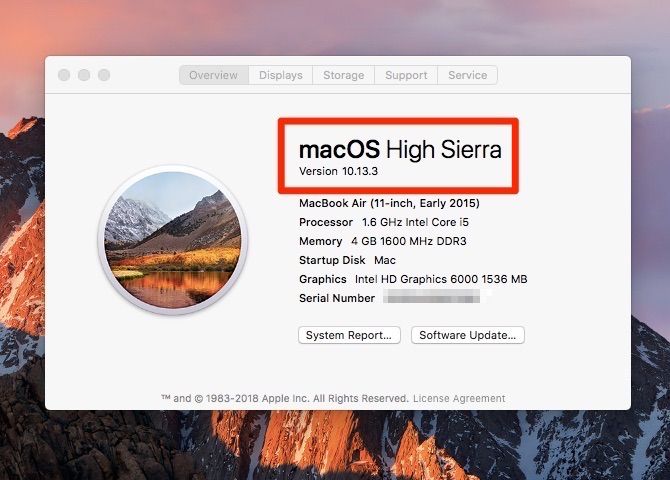
Each year around September/October, Apple releases a new version of macOS. Mac models from the past several years are capable of running it. This means if your computer won’t upgrade to the latest edition of macOS, it’s becoming obsolete.

At the time of writing, the release of macOS 10.15 Catalina is imminent. The following Mac models will receive the update:

  • MacBook (2015 and later)
  • MacBook Air (2012 and later)
  • MacBook Pro (2012 and later)
  • iMac (2012 and later)
  • iMac Pro (2017 and later)
  • Mac Pro (2013 and later)
  • Mac mini (2012 and later)

If your computer isn’t on that list, it’s likely entered Obsolete status. As mentioned earlier, while you won’t get any new macOS features, you’ll still be able to use your computer as-is for a while.

But after a year or two, you won’t receive security updates and third-party software might stop working. This means you’ll need to think about upgrading soon.

2. A Constant Lack of Free Space

macOS Storage menu

As technology advances, apps and files continue to take up more space. This results in a constant struggle for free space for anyone who has an older machine with a paltry amount of storage.

If you have a 128GB or even 256GB SSD in your MacBook, you probably have to juggle files to free up space constantly. This might mean freeing up space on your Mac whenever possible, or possibly adding more storage to your Mac with an external hard drive or other methods.

You can use these workarounds to survive with a small amount of space for a while. But once you get sick of them, it’s time to upgrade to a new Mac with plenty of storage space.

3. Your Machine’s Components Aren’t Powerful Enough

Macbook Pro Keyboard

Your storage disk is just one computer component that declines with age. A lack of RAM will prevent you from running many applications at once, and an old CPU means tasks like editing 4K video are extremely slow or impossible. You’ll also notice overall system performance suffers.

Another components that takes a hit over the years is the battery in MacBooks. Rechargeable batteries only have a certain number of cycles before they’re “spent” and don’t hold a charge for long. macOS will warn you when your battery is getting to the end of its life.

If you’ve used the battery extensively, it might only last an hour before you need to charge it. You can get around this by always using your laptop on the charger, but that sacrifices the portability, of course.

If you have an older Mac, you might be able to upgrade or mitigate these issues somewhat by adding more RAM, swapping the HDD for an SSD, or replacing the battery. However, this is basically impossible on newer Mac models, as most components are soldered to the motherboard.

The money you would spend on a professional hardware upgrade or battery replacement is almost certainly better put towards a new machine. Apple’s service page states that it costs between $129 and $199 for a Mac battery replacement, which isn’t cheap.

4. Hardware Damages

Damaged MacBook
Image credit: AlexMF/Wikimedia Commons

An obvious reason you need to replace your MacBook is when it suffers serious physical damage. Maybe you dropped it and damaged the hard drive, or slammed the screen down on some debris and cracked it.

In these cases, your computer is unusable until you get it fixed or replace it. And as discussed above, it doesn’t make a lot of sense to pour hundreds of dollars into an obsolete machine when you can get a new one that will last longer.

Barring a major hardware catastrophe, a long list of small issues can quickly become a big problem too. An old computer is often a lot like an old car. You can live with a few odd issues if they don’t impact your ability to use it properly, but eventually something big will go wrong and you’ll have to decide whether to fix it or upgrade.

Little problems, like your charger not working unless it’s in just the right spot, dead pixels on the display, stuck keys, and crackling speakers aren’t necessarily cause for a replacement. But when your computer has so many small quirks that it’s barely usable, you should cut your losses and look into a replacement machine that will perform much better.

5. Frequent Software Issues

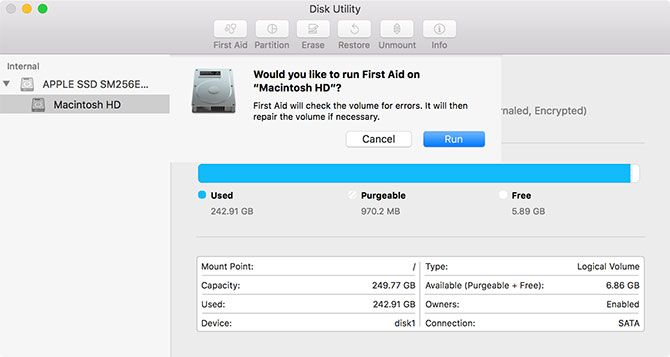
macOS Disk Utility

An outdated Mac can also manifest itself through software issues. You might experience frequent OS freezes, where everything becomes unresponsive. Other common issues include visual glitches and random shutdowns.

When you experience these, you should make sure you have enough space free as discussed earlier. If an SMC and PRAM reset don’t fix the problem, you should try reinstalling macOS and see if your problems persist.

Hopefully they disappear after this troubleshooting. But if not, you likely have hardware issues and should considering upgrading your Mac.

6. The Timing Is Right

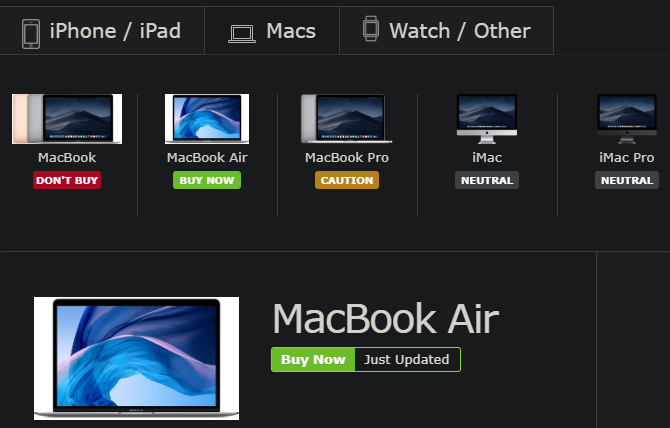
MacRumors Buying Guide

Maybe you’re ready to upgrade your Mac, but you can live with whatever issues it has and don’t need to buy one right away. In that case, you should wait for the right time to get a new Mac.

Apple releases new models for most Mac machines yearly. You shouldn’t buy one right before the new models release, as you can wait a bit longer to get a brand-new machine that will last longer for the same price.

Before you buy, check out the MacRumors Buyer’s Guide. This keeps track of Apple hardware releases so you don’t get caught spending full price on an old model.

If you can’t afford the latest model or want to save some money, you can opt for an older or refurbished model. Just keep in mind that the older the computer you buy, the sooner it will become obsolete.

Check out some tips on saving money when buying a MacBook for advice.

Know When to Get a New Mac

We’ve looked at the major signs that it’s time to upgrade your MacBook or iMac, plus how long a Mac generally lasts. Your exact mileage will vary with your usage and computing needs, but it’s clear that Macs have a reliable reputation for a reason.

If you really can’t afford a new machine at the moment, have a look at ways to make an old Mac feel like new.

Read the full article: 6 Signs It’s Time to Replace Your Mac


Read Full Article

DARPA aims to make networks 100 times speedier with FastNIC


Having a slow connection is always frustrating, but just imagine how supercomputers feel. All those cores doing all kinds of processing at lightning speed, but in the end they’re all waiting on an outdated network interface to stay in sync. DARPA doesn’t like it. So DARPA wants to change it — specifically by making a new network interface a hundred times faster.

The problem is this. As DARPA estimates it, processors and memory on a computer or server can in a general sense work at a speed of roughly 10^14 bits per second — that’s comfortably into the terabit region — and networking hardware like switches and fiber are capable of about the same.

“The true bottleneck for processor throughput is the network interface used to connect a machine to an external network, such as an Ethernet, therefore severely limiting a processor’s data ingest capability,” explained DARPA’s Jonathan Smith in a news post by the agency about the project. (Emphasis mine.)

That network interface usually takes the form of a card (making it a NIC) and handles accepting data from the network and passing it on to the computer’s own systems, or vice versa. Unfortunately its performance is typically more in the gigabit range.

That delta between the NIC and the other components of the network means a fundamental limit in how quickly information can be shared between different computing units — like the hundreds or thousands of servers and GPUs that make up supercomputers and datacenters. The faster one unit can share its information with another, the faster they can move on to the next task.

Think of it like this: You run an apple farm, and every apple needs to be inspected and polished. You’ve got people inspecting apples and people polishing apples, and both can do 14 apples a minute. But the conveyor belts between the departments only carry 10 apples per minute. You can see how things would pile up, and how frustrating it would be for everyone involved!

With the FastNIC program, DARPA wants to “reinvent the network stack” and improve throughput by a factor of 100. After all, if they can crack this problem, their supercomputers will be at an immense advantage over others in the world, in particular those in China, which has vied with the U.S. in the high performance computing arena for years. But it’s not going to be easy.

“There is a lot of expense and complexity involved in building a network stack,” said Smith, the first of which will be physically redesigning the interface. “It starts with the hardware; if you cannot get that right, you are stuck. Software can’t make things faster than the physical layer will allow so we have to first change the physical layer.”

The other main part will, naturally, be redoing the software side to deal with the immense increase in the scale of the data the interface will have to handle. Even a 2x or 4x change would necessitate systematic improvements; 100x will involve pretty much a ground-up redo of the system.

The agency’s researchers — bolstered, of course, by any private industry folks who want to chip in, so to speak — aim to demonstrate a 10 terabit connection, though there’s no timeline just yet. But the good news for now is that all the software libraries created by FastNIC will be open source, so this standard won’t be limited to the Defense Department’s proprietary systems.

FastNIC is only just getting started, so forget about it for now and we’ll let you know when DARPA cracks the code in a year or three.


Read Full Article

26 September 2019

My Galaxy Fold display is damaged after a day


Samsung’s new rebooted Galaxy arrives this week with one job: it just needs to not break. I’d already spent thousands of words breaking down the ins and outs of the product the first time around. This round, on the other hand, was more about making sure everything worked.

Back in April, I was among the reviewers whose device worked perfectly well. I toted the original Fold around the Bay Area without a problem, much to the amusement of curious co-workers. Samsung collected the devices soon after, as it went back to the drawing board due to issues with other units, but mine remained fully in tact.

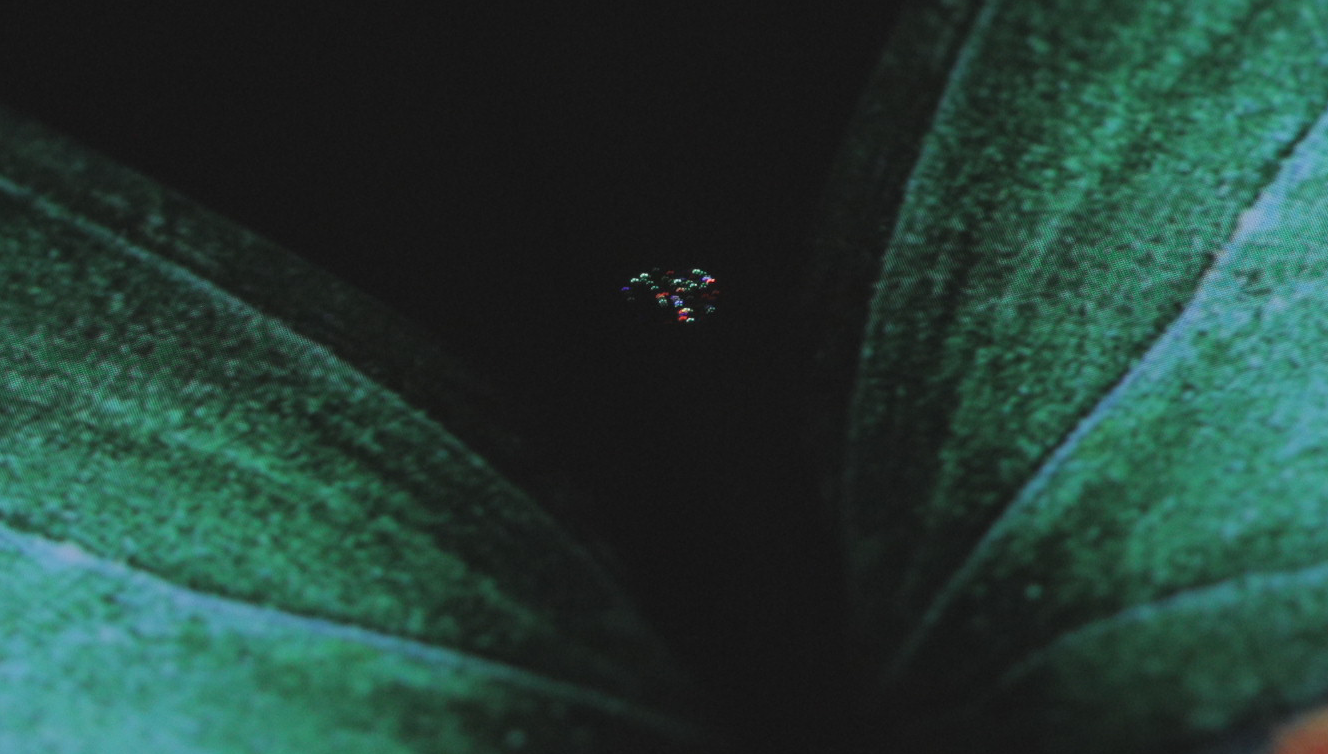
This time out, however, I wasn’t so lucky. I pulled the Fold from my pocket while standing in line at CVS after work the other day. I opened it up and spotted something new nestled between the lock screen’s flapping butterfly wings. There was a brightly colored, amorphous blob. You can see it there in the photo at the top of the story (as well as a zoomed-in version below). It’s not huge. It’s maybe just under a centimeter across — and it’s a bit tricky to photograph.

close fold

In the grand scheme of first-gen foldable display problems, this isn’t a huge one, judging by photos from those who’ve had issues with the first model. In that case, devices were sent back with an entire side blacked out (in many cases the result of peeling back a laminate that resembled the protective layer devices ship with). Still, it’s not a great look after about 27 hours with the device, considering that it wasn’t dropped on concrete, dunked in water or stepped on. And the placement smack dab in the center dampens the effect of a 7.3-inch screen.

If I had to guess, I’d say it was pressing the display to close the device that did it. Samsung has since collected the device and will be taking it apart (likely in Korea) to find out what went wrong. We’ll update accordingly.

We can’t say the company didn’t warn us. As I noted the other day, Samsung issued a video prior to launch, advising users to “Just use a light touch,” B/W the footnote, “Do not apply excessive pressure to it.” The Fold itself came with ample paperwork warning against:

  • Excessive pressure
  • Placing objects like keys on the screen before folding
  • Exposing the Fold to water or dust
  • Adding your own screen protector to the existing screen protector
  • Keeping the device next to easily deactivated objects like credit cards and implanted medical devices

There was nothing inside the device while folded. I didn’t get it wet or feed it after midnight, and there’s no visible damage to the laminate layer, so I can’t really say definitively what happened here. And while the screen is certainly still usable, I think I’d probably be…irked if I had just paid $2,000 for a handset and had to deal with a large, rainbow colored blob in the exact center of the screen.

Part of the white-glove service Samsung is rolling out here is a $149 screen replacement. We got a comment from Samsung on the matter, and it sounds like this particular issue might fall within normal use that wouldn’t require an additional fee. Here’s what the company has to say on the matter:

We have seen an enthusiastic response to the launch of the Galaxy Fold in several markets over the past few weeks, with thousands of consumers enjoying the unique experience it offers.

The Galaxy Fold is a first-of-its-kind device, made with new materials and technologies that allow it to open and close just like a book.

We encourage Galaxy Fold owners to read the care instructions included in the box and in the product manual available online. Products used within these guidelines are covered under warranty. If they have any questions, Galaxy Fold owners can consult with Samsung product specialists through the Galaxy Fold Premier Service any time, any day.

The “products used within these guidelines are covered under warranty” appears to be the pertinent bit here.

It’s hard to say how widespread these issues are. When the device officially goes on sale in North America on Friday, there will be significantly more of these in the wild, at which point we’ll know more definitively whether this was a very specific anomaly.

Anyone who reviews products for a living knows that these things can happen. I’ve had review headphones that sounded like electrified tin cans, only to swap them with the company for the real deal. Manufacturing defects can occur with review units and commercial products, alike. Generally, such things aren’t cause for concern (and manufacturing issues are usually covered by warranties), but in this case it’s certainly worth highlighting, given the first-gen product’s history with display issues.

We’ll certainly let you know how this shakes out and whether whatever conclusion Samsung ultimately reaches would fall under the warranty of the Fold’s fine print or whether users might want to budget an additional $149, just in case.


Read Full Article
App Annie acquires analytics firm Libring, bringing ad tech-related insights to its platform


App Annie, a go-to source for mobile app market data and analytics, is expanding its platform with the acquisition of mobile analytics provider Libring. The deal will allow App Annie to present its mobile app market data side by side with advertising analytics data, in order to paint a more complete picture of an app’s performance and revenue.
Already, App Annie customers leverage its platform to track key metrics related to their app’s growth and usage, like downloads, active users, retention numbers, demographics, rankings, reviews, competitive analysis, and more. But the company said it heard from publishers and brands how it’s still difficult to analyze their user acquisition efforts, including their ad spend and related costs.

Screen Shot 2019 09 26 at 12.42.07 PMWith the addition of Libring, App Annie is integrating ad tech insights into its platform.

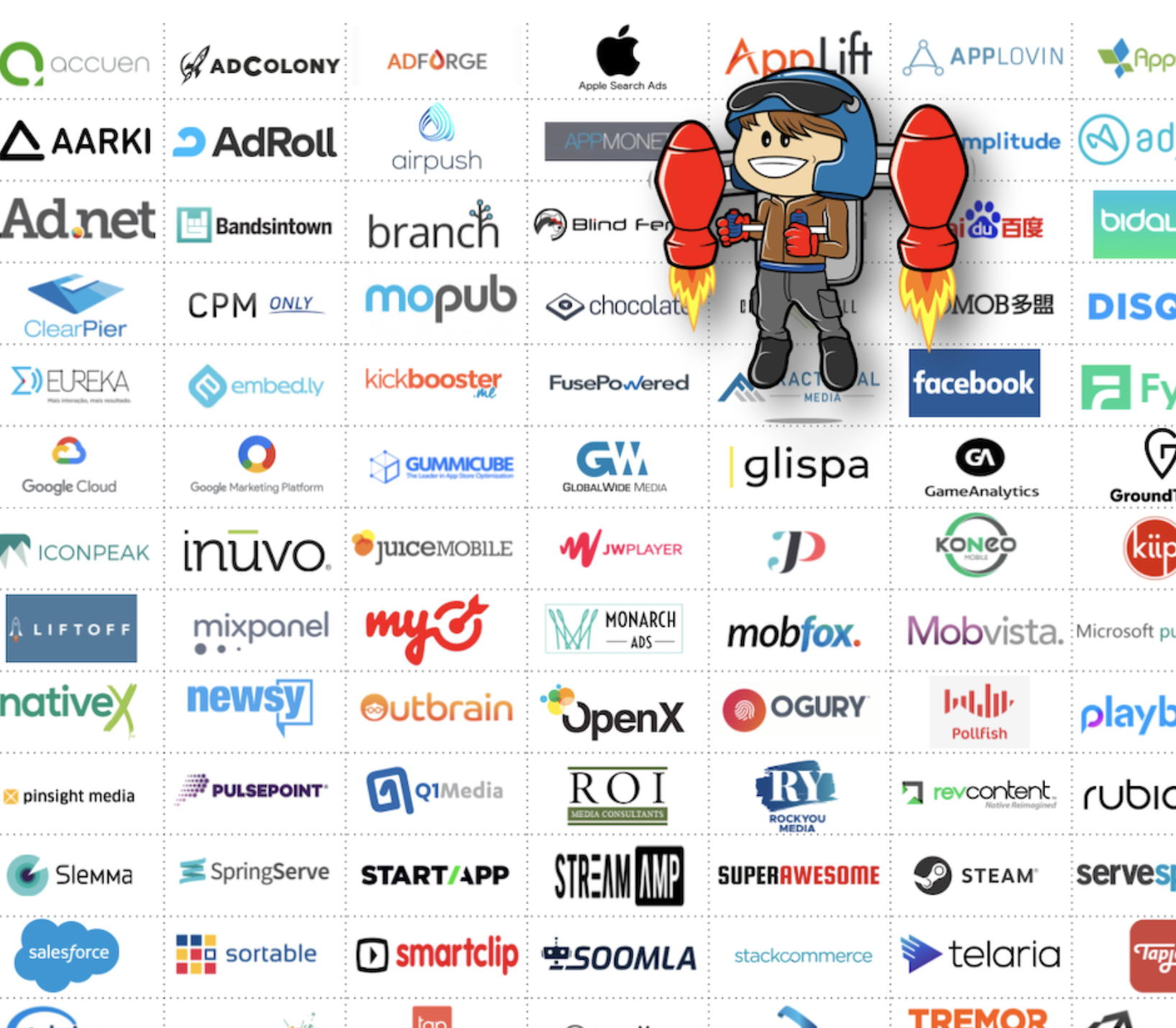
This includes the ability to combine the ad spend and monetization insights from over 325 data sources including Supply Side Platforms (SSPs), Demand Side Platforms (DSPs), app stores, and analytics platforms.

This data is then presented in a single dashboard so it’s easier to understand critical metrics — like the customer acquisition cost, the lifetime value, the return on ad spend, and the return on investment.

It’s ideal for larger organizations who have outgrown the spreadsheet, as it’s been sort of the App Annie of revenue aggregation, so to speak.

“The most successful companies find a way to capitalize on mobile, yet they have been struggling to maximize its value to their business,” explained App Annie CEO Ted Krantz, in a statement about the acquisition. “Today, this requires custom work to stitch together multiple point solutions, spreadsheets, business intelligence teams, agencies, and consultants. We are committed to solving this by applying data science and machine learning to automate these composite metrics for brands and publishers,” he said.

The deal comes at a time when mobile ad spend is continuing to grow rapidly — it’s expected to double to $375 billion globally by 2022, the company noted. It’s now a massive part of the overall app industry, at triple the amount of consumer spending on the app stores.

As a result of the deal, Libring’s 30-plus employees are joining App Annie.

In the near-term, Libring’s current customers will continue to use its product as they do today.

But App Annie tells us there’s only some overlap between the two companies’ respective customer bases. For now, App Annie will work with its customers who want to purchase the new analytics service and find out what sort of enhancements they are looking for in an analytics solution. Libring’s customers can also choose to buy App Annie’s analytics, if they choose.

Later, App Annie will migrate the Libring backend to the same infrastructure provider the rest of App Annie uses, and will then integrate the front-end so customers can log in and visualize the new analytics and other market data together. More information about how this will all work will be shared when those tools are closer to being available, which is still several months from now.

Going forward, App Annie says its data science team will also offer predictive and prescriptive insights based on the new data.

According to Libring’s website, its customers included SEGA, Slickdeals, Reddit, Jam City, Wooga, EA, Zynga, Next Games, Meet Me, GameInsight, Deviant Art, Webedia, Ubisoft, theChive, saambaa, badoo, textnow, and others.

App Annie declined to disclose the deal terms.

Related to the changes and expansion, App Annie also today introduced a new brand which features a gem logomark. The gem is meant to be a tribute to mobile gaming and the idea of “leveling up” while also a reflection of the value of actionable data, the company says.

AppAnnie Rebrand Logo Lockups DARKBLUE 1

The acquisition comes on the heels of several notable milestones for App Annie, including the launch of a product development testing ground, App Annie Labs; plus the addition of mobile web analytics in March — the same time when App Annie passed $100 million in annual recurring revenue.

The company is soliciting feedback about its plans for Libring and will post updates about the project on App Annie Labs, it says.


Read Full Article