24 February 2020

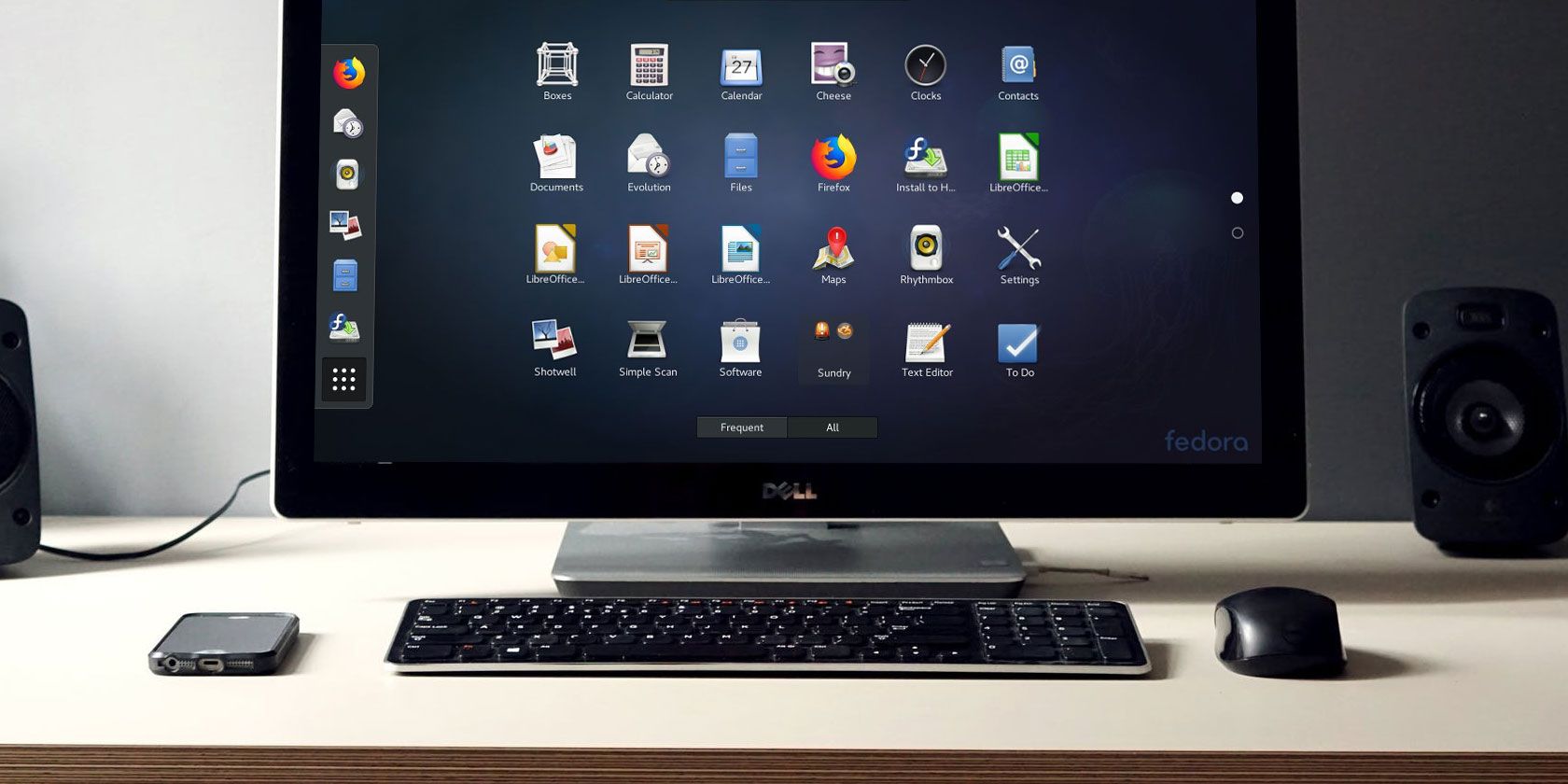
The 9 Best Browsers for Linux


best-browsers-linux

It’s virtually impossible to use a modern computer without accessing the web. Even if you’re disconnected, it’s not uncommon to come across software that presents its help files in HTML, necessitating the use of a browser.

Unlock the "Essential Linux Commands Cheat Sheet" now!

This will sign you up to our newsletter

Enter your Email

In short, a web browser is an absolute must. With Linux, the selection of browsers is considerable.

Whether you’re switching browsers or switching to Linux, you’ll need to know what’s available for browsing the web. Check these are the best Linux browsers to help you make your choice.

1. Firefox

The Linux Firefox browser

While this list is in no particular order, Mozilla Firefox is probably the best option for most Linux users. Why?

  • Firefox is fast, using less RAM than Chrome
  • Multi-process browsing means more tabs
  • Support for thousands of extensions
  • Tracker blocking
  • Tabs and other data synced across devices

Ultimately, Mozilla Firefox is a smooth browsing experience from the team behind the only real alternative to Google Chrome.

You should be able to find Firefox preinstalled or in your distro’s software repository. If not, visit the Mozilla website to grab a copy.

Download: Mozilla Firefox

2. Chromium
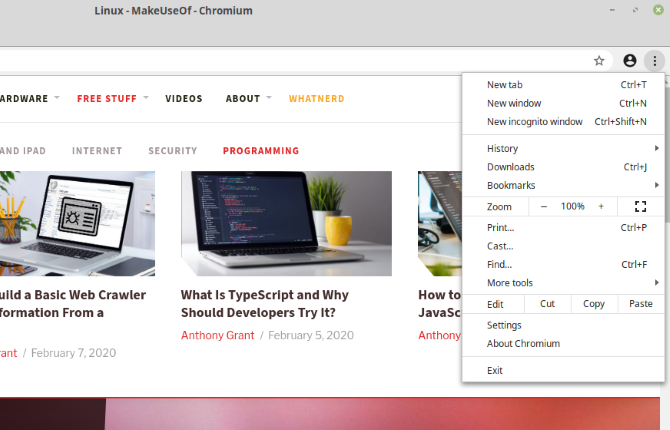
Chromium browser on Linux

You might choose Google Chrome as your Linux browser. However, it isn’t open source, lumbered as it is with Google’s fingerprints. The alternative isthe Chromium browser, the open source project that Chrome is built on. Ideal if you’re moving from Windows or simply want a browser that gives you direct access to your Google account.

Here are some reason to use Chromium:

  • Chromium is the basis for Chrome, so you’re already familiar with it
  • Google account login and syncing supported
  • Thousands of browser add-ons

To install the Chromium browser use:

sudo apt install chromium-browser

3. Midori

Lightweight Midori Linux browser

Many Linux browsers claim to be resource-lite, but few browsers are as lightweight as Midori. This browser is so slim and resource-lite that it appeared on early builds of Raspbian (for Raspberry Pi). Features in Midori include:

  • Built-in privacy tools
  • Minimalist, beautiful design
  • Fast

Midori can be downloaded in DEB and RPM formats and is also available in the SnapStore and FlatHub.

Download: Midori

To install Midori in the terminal use

sudo apt install midori

4. Epiphany

Linux Epiphany browser

Also known as GNOME Web, this is the browser you’ll find by default on unaltered GNOME desktops. It features:

  • Built-in privacy tools
  • No extensions supported for improved stability
  • Functional and fast

If you don’t already use a GNOME desktop environment, you can install Epiphany in the command line:

sudo apt install epiphany-browser epiphany-extensions

The epiphany-extensions package is useful as it includes an extensions manager, development tools, and more.

5. Opera

Is Opera a good browser for Linux?

Trumpeted as a revolutionary browser with features unseen elsewhere, Opera boasts an unusual side-bar user interface. While many of its revolutionary features have been borrowed by other browsers (e.g. speed dial, pop-up blocking, private browsing) it remains a reliable alternative to Firefox.

  • Free VPN
  • Laptop battery saver
  • Cryptocurrency wallet
  • WhatsApp and Facebook Messenger integration
  • Data syncing across devices running Opera

DEB, RPM, and Snap packages for Opera can be downloaded from the home page.

Download: Opera

To install the Opera browser in the Linux terminal start by updating sources and adding the key:

sudo sh -c 'echo "deb http://deb.opera.com/opera/ stable non-free" >> /etc/apt/sources.list.d/opera.list'

sudo sh -c 'wget -O - http://deb.opera.com/archive.key | apt-key add -'

Next, run an update, then install

sudo apt update

sudo apt install opera

Alternatively, if you have Snap installed, use

sudo snap install opera

The Opera browser is currently based on Chromium. However, up to version 12, Opera used the Presto layout engine. This switch has inspired other browsers.

6. Otter

Try the Otter browser on Linux

Conceived to replicate the best aspects of Opera 12.x, Otter is built with Qt5. Visually it resembles Opera and includes several useful special features:

  • Password manager
  • Content blocking
  • Customizable user interface

Download: Otter

You can install manually in the terminal by adding a PPA repository.

sudo add-apt-repository ppa:otter-browser/release

Press Enter to confirm, wait for the GPG key to be created and at the next prompt update:

sudo apt update

When this completes you can install Otter with

sudo apt install otter-browser

7. Vivaldi

Vivaldi browser in action

Like Otter, Vivaldi has its roots in Opera. Vivaldi is overseen by Opera co-founder Jon von Tetzchner and regarded by many as closer to the old Opera. Features include:

  • Adaptive user interface
  • Granular tab management
  • Built-in tools include a notepad and screenshot app

Vivaldi is available in DEB, RPM, and ARM packages.

Download: Vivaldi

8. Falkon

The Falkon browser for Linux

Formerly known as Qupzilla, Falkon is a Linux browser usually found in KDE-based desktop environments, such as Plasma.

  • Lightweight
  • Features a built-in adblocking tool
  • Uses DuckDuckGo as the default search tool

Download: Falkon

Falkon can also be installed using apt in the terminal:

sudo apt install falkon

9. SeaMonkey

Try the SeaMonkey Linux web browser and mail client

A browser inspired by Netscape and Mozilla, SeaMonkey looks much like Firefox. The difference is in what it offers beyond browsing. Highlights include:

  • Chrome-style tab syncing
  • Session restore tool
  • Built-in mail client
  • Newsgroup/Usenet client
  • Web development tools

Having an email and newsgroup client built into your browser can save a lot of time switching between apps. However, this approach isn’t for everyone.

Download: SeaMonkey

More Linux Browsers to Consider

While the Linux browsers above should be considered the best available, many other browsers can be installed on Linux. These fulfil specific needs or are particularly lightweight.

Linux Text Browser: Lynx

Browse the web in the terminal with Lynx

Not all web browsing can be done in a graphic browser. In the early days of the web, text-based command line browsers were essential. One such web browser is still available: Lynx.

To install this Linux command line browser, use:

sudo apt install lynx

To use the browser, open the terminal and enter lynx followed by the URL. So, to view MakeUseOf use:

lynx makeuseof.com

Use the arrow keys to navigate—all commands are displayed in the terminal window.

Qutebrowser

If you’re unable to use a mouse or laptop trackpad, accessing the web can be difficult. That’s where Qutebrowser comes in—a desktop browser that can only be controlled using a keyboard. Shortcuts are assigned to each link on a page, enabling easy mouse-free browsing.

Qutebrowser is only available in the terminal.

sudo apt install qutebrowser

Tor Browser

Browse the web with the Tor browser on Linux

Want to maximise your privacy online? Using Linux is a good start, as is employing a VPN to encrypt your activity. But you can go a step further by installing the Tor browser for Linux.

To install Tor, you’ll need to add a repository and GPG key:

cat <<EOF | sudo tee /etc/apt/sources.list.d/tor.list deb https://deb.torproject.org/torproject.org bionic main deb-src https://deb.torproject.org/torproject.org bionic main EOF

curl https://deb.torproject.org/torproject.org/A3C4F0F979CAA22CDBA8F512EE8CBC9E886DDD89.asc | sudo gpg --import

gpg --export A3C4F0F979CAA22CDBA8F512EE8CBC9E886DDD89 | sudo apt-key add -

With that done, update your repositories and install the Tor Project:

sudo apt update

sudo apt install tor deb.torproject.org-keyring

You can then install the Tor browser on Linux with

sudo apt install torbrowser-launcher

The Best Browsers for Linux

We’ve compiled this list of Linux browsers to help you find the best tools to get your computer online. Each browser has a strength none of the others offer—despite some clear similarities, differences are also there.

The browser you choose is totally up to you. However, we recommend you stick to the tools that give you the best browsing experience.

Need more Linux software? Start off with our list of the best Linux apps.

Read the full article: The 9 Best Browsers for Linux


Read Full Article

The 7 Best Curved Monitors


best-curved-monitors

Choosing between a flat and curved monitor is one of the biggest choices you’ll have to make when buying a new monitor. The most popular brands in tech are releasing more and more curved monitors, making your decision even more difficult. Once you see the smooth curved edges on these monitors, it’s hard to resist buying one for yourself.

Whether you’re looking for a curved monitor for your gaming setup or for your office, we’ve put together a list of curved monitors for all uses. We’ll give you a brief rundown on why you should buy a curved monitor, and then introduce you to the best curved monitors on the market.

Why Buy a Curved Monitor?

Curved monitors aren’t just a trendy gaming fad—they actually serve a purpose other than looking cool. Having a curved monitor can actually reduce eye strain, as it has less distortion than flatscreens. They also give you a more natural field of view, which makes staring at a screen much more tolerable for your eyes.

Curved displays also provide an improved and immersive viewing experience when compared to flatscreens. You’ll get a wider field of vision, along with a picture that has more depth. This makes playing games more realistic. Even if you’re not a gamer, you’ll find that curved monitors are easier on your eyes and feel more natural to use.

1. Best Curved Monitor for Everyday Use:
Samsung LC24F396FHNXZA

Samsung LC24F396FHNXZA Samsung LC24F396FHNXZA Buy Now On Amazon $129.99

Need a new monitor for your workstation? The Samsung’s 23-Inch FHD Curved Monitor offers a super slim design that will look sleek on your desk—it has a thickness of less than half of an inch! Looks aside, this Samsung curved monitor also comes with plenty of features for a reasonable price.

The Eco-Saving Plus feature conveniently lowers the screen’s brightness to conserve power. Although this monitor isn’t specifically for gaming, it has Game Mode to enhance your gaming experience. Games are still playable on this monitor—a 4ms response rate and FreeSync compatibility let you switch between work and play.

2. Best Cheap Curved Monitor:
Sceptre C248W-1920RN

Sceptre C248W-1920RN Sceptre C248W-1920RN Buy Now On Amazon $104.97

If you’re a gamer on a budget, or just need a cheap monitor for professional use, you can’t go wrong with the Sceptre 24-inch Curved LED Monitor. For just a little over $100, you can get a curved monitor with a 75Hz refresh rate, a thin bezel, and 1080p resolution.

The 8ms response rate is a bit slow for gaming, but this isn’t surprising for such an affordable monitor. For added convenience, it also comes with HDMI, VGA, and DisplayPort inputs so you can plug-and-play.

3. Best Curved G-Sync Monitor for Gaming:
Alienware AW3418DW

Alienware AW3418DW Alienware AW3418DW Buy Now On Amazon $699.00

When you’re serious about gaming, you’ll want a monitor that can respond as fast as your reflexes. The Alienware 1900R 34.1-Inch Curved Gaming Monitor does just that. The 34-inch display has a speedy 120Hz overclocked refresh rate, a 3440 x 1440 WQHD resolution, as well as a 4ms response time—all those specs make it worth the splurge.

This monitor lets you adjust the display for the type of game you’re playing. It includes three preset settings for RPG, RTS, and FPS games, and even lets you input three custom modes. Plus, it comes with Nvidia’s G-Sync technology.

4. Best Curved FreeSync Monitor for Gaming:
ASUS TUF Gaming VG32VQ

ASUS TUF Gaming VG32VQ ASUS TUF Gaming VG32VQ Buy Now On Amazon $414.99

For a gaming PC with an AMD graphics card, you’ll want a monitor with FreeSync. The best FreeSync option is the ASUS TUF Gaming 32-Inch Curved Gaming Monitor. It offers a 144Hz refresh rate, as well as a 1ms response time.

Not to mention that it brings Extreme Low Motion Blur Sync and Shadow Boost to the table—these two features create crisp and clear gameplay. The built-in ASUS eye care allows for long gaming sessions without fatigue.

5. Best 4K Curved Monitor:
MSI OPTIX MAG321CURV

MSI OPTIX MAG321CURV MSI OPTIX MAG321CURV Buy Now On Amazon $359.99

The HDR-ready MSI OPTIX 32-Inch Non-Glare 4K Curved Gaming Monitor will give you impressive picture quality. With a refresh rate of 60Hz, and a 4ms response time, you can definitely use this monitor for 4K gaming. Just keep in mind that this is a FreeSync monitor with limited G-Sync compatibility.

The monitor features a DisplayPort, HDMI input, as well as USB Type-C inputs. Given that, the MSI OPTIX is a solid addition to the growing list of the best curved 4K gaming monitors.

6. Best 27-Inch Curved Monitor:
AOC CQ27G1

AOC CQ27G AOC CQ27G Buy Now On Amazon $249.99

A 27-inch monitor is the perfect size—it’s not too big, and it’s not too small either. The AOC 27-Inch Curved Frameless Gaming Monitor gives you a fantastic QHD 2K resolution, as well as a quick 1ms response rate. This monitor even has a 144Hz refresh rate and FreeSync compatibility.

This AOC monitor is called frameless for a reason. It has an ultra-slim bezel that promotes more immersive gaming sessions. While this isn’t the cheapest monitor out there, it’s worth the extra cash if you’re looking for reliable performance and immersive gameplay.

7. Best Large Curved Monitor:
LG 38GL950G-B

LG 38GL950G-B LG 38GL950G-B Buy Now On Amazon $1,896.99

The LG 38-Inch UltraGear Nano Curved Monitor is expensive, but the high price tag is definitely justified. For one, the huge 38-inch width coupled with a QHD+ 3840 x 1600 resolution will make you feel like you’re actually inside of your game. You can also expect smooth game performance with a 144Hz refresh rate and 1ms response time that will only amplify your gaming experience.

Even the look of this monitor won’t disappoint. It comes outfitted with eye-catching circular RGB lighting on the back. If you’re worried about having such a large screen sitting on your desk, remember that you can easily adjust this monitor’s height and angle.

Will You Upgrade to a Curved Monitor?

Curved monitors are the future—you just can’t beat the immersive qualities and comfort the come along with one. Although some might think that curved monitors are a short-lived fad, it seems that they’re here to stay. When you consider some of the best curved monitors on this list, you won’t be disappointed.

As you probably know already, monitors can be very expensive. For budget-friendly monitors, check out this list of the best cheap gaming monitors.

Read the full article: The 7 Best Curved Monitors


Read Full Article
How to See Hidden Files on Your Mac


show-hidden-mac

Your Mac contains many files and folders that are hidden from view. These include files required to run your system which are hidden to prevent accidental deletions or changes. But if you need to see those hidden files to help with troubleshooting or for another reason, we can help.

Here are the simplest ways to see hidden files on Mac. We’ll also show you how to hide hidden files again and how to hide files or folders of your own to keep them from prying eyes.

How to Show Hidden Files on Mac

There are a couple of quick and easy ways to show the hidden files and folders on your Mac. The one you choose may depend on what you’re trying to accomplish.

See Hidden Files With a Shortcut

The fastest way to view hidden files while in a folder on your Mac is with a keyboard shortcut. In order to use this method, you must be running macOS Sierra or later.

Simply press Cmd + Shift + Period (.) to show hidden files on your Mac.

Boom! You should immediately see all the files hidden in the folder and any subsequent folder you open. To hide those once-hidden files and folders again, just use the same keyboard shortcut.

Show Hidden Files On Mac

See Hidden Files With Terminal

Another way to view hidden files on your Mac is with a Terminal command. Pop open Terminal from your Applications > Utilities folder or by using Spotlight (Cmd + Space).

Enter the following command to unhide files and folders, then hit Return:

defaults write com.apple.finder AppleShowAllFiles TRUE

You may also be able to use the word YES at the end in place of TRUE.

Then enter the next command and hit Return:

killall Finder

Now all hidden files or folders on your Mac should be visible.

Hide Hidden Files With Terminal

Like the shortcut method above, you can easily hide hidden files on Mac again with another Terminal command.

Enter the following command to hide hidden files and folders and hit Return:

defaults write com.apple.finder AppleShowAllFiles FALSE

You may also be able to use the word NO at the end in place of FALSE.

Then enter the next command and hit Return:

killall Finder

And now your hidden files and folders should be tucked away and hidden from view once more.

How to Hide Files and Folders on Mac

Do you want to hide your own files and folders on your Mac? Maybe you have sensitive information on your shared computer that you want to keep hidden. This is very easy to do using the Terminal, so just open it and follow these steps.

Enter the following command, making sure to include a space at the end. Do not hit the Return key yet:

chflags hidden 

Now, drag the file or folder you want to hide onto the Terminal window and then hit Return.

Terminal Hide File On Mac

That file or folder should no longer be viewable in its original location. If you use one of the methods above to view hidden files on Mac, then you will be able to see it. Hidden files appear as dimmed items.

If you choose not to see hidden files on your Mac and need to access the one you hid, you can do so using the direct path.

With Finder open, click Go > Go to Folder from the menu bar. Enter the path for the file or folder. You can use a tilde (~) at the beginning to shorten the path name, as it replaces your user folder.

So if you have the file in your Documents folder, for instance, you would enter: ~/Documents/[FileName]. For our example, we would enter ~/Documents/TopSecretProject.

Enter Path To Hidden File On Mac

Your hidden file or folder should open right up. If you can’t remember the folder your file resides in, check out our tips for finding lost files on a Mac.

Unhide Files and Folders on Mac

If you decide to unhide a file or folder that you previously hid, you can reverse the Terminal command above.

Enter the following command into Terminal with a space at the end. Drag the file or folder onto the Terminal window and then hit Return.

chflags nohidden 

Terminal Unhide File On Mac

Other Tips and Tricks for Hidden Files on Mac

Here are a few extra tips and tricks for when you work with hidden files on your Mac.

Hiding a Folder Doesn’t Hide Its Files

If you hide a folder of your own, the files within the folder are not hidden by default. So even though others may not be able to see your hidden folder, you may also want to hide the files within it to keep them from view for extra security.

Hidden Folder Not Hidden Files On Mac

Close and Reopen Finder

When using the Terminal commands above to hide or unhide items, you may need to close and reopen Finder to see the change you made. For example, if you use a command to hide your own file or folder and don’t see the change immediately, close Finder and reopen it to the location.

You can also run the killall Finder command in Terminal after the hiding or unhiding command. This will restart Finder.

Quickly Access the Library Folder

If you want fast access to your Mac’s Library folder, you can access it if you use one of the methods above for showing hidden files and folders. But you can also use a shortcut.

With Finder open, hold the Option key when you click Go in the menu bar. You should then see the Library folder directly below the Home folder in the menu.

Show Library Folder Menu On Mac

You can also click Go > Go to Folder from the menu bar, type in ~/Library, and hit Go.

Be Cautious With Hidden Files

Keep in mind that, as we mentioned earlier, many files and folders are hidden on your Mac for a reason. So make sure that you know what you’re doing when accessing hidden files that are necessary for macOS to operate.

For more help with your documents on macOS, take a look at how to password protect your Mac files and folders or check out our guide to Mac file versioning.

Read the full article: How to See Hidden Files on Your Mac


Read Full Article

Ringtone Timeline


Ringtone Timeline

Why having a birth certificate is a human right | Kristen Wenz

Why having a birth certificate is a human right | Kristen Wenz

More than a billion people worldwide, mostly children, have no birth certificates. In many countries, this means they can't get access to vital services like health care and education, says legal identity expert Kristen Wenz. She discusses why this problem is one of the greatest human rights violations of our time -- and shares five strategies to ensure everyone can get registered and protected.

Click the above link to download the TED talk.

Sony announces its first 5G flagship, the triple lens Xperia 1 II


Sony has announced its first 5G smartphone: The Xperia 1 II — which, for the curious and/or confused, is pronounced ‘Xperia One, Mark Two’. Which isn’t at all confusing, er.

“No one understands the entertainment experience better than Sony,” said president of mobile communications, Mitsuya Kishida, claiming the company is “uniquely positioned” in the era of 5G cellular technology to offer its target users an “enriched” experience thanks to Sony’s extensive content portfolio.

“Whether you are a broadcast professional who requires dynamic speed or an everyday user who desires enhanced entertainment Xperia with 5G takes your mobile experience to the next level,” he said.

As ever with Sony — a major b2b supplier of image sensors to other smartphone makers (rather than a major seller of its own phones) — it’s made the camera a huge focus for the new Android 10 flagship, which has a 6.5in 21:9 “CinemaWide” 4K HDR OLED (3840×1644) display and is powered by a Qualcomm 865 Snapdragon chip (with 8GB of RAM on board).

Round the back the Xperia 1II packs three lenses which offer a selection of focal lengths (16mm, 24mm and 70mm) for capturing different types of photos — from super wide angle to portraits.

All three rear lenses have a 12MP sensor, while round the front there’s an 8MP lens. Sony is also using Zeiss optics for the first time in a smartphone, expanding a long-running collaboration to a new device type.

Talking up the camera, Kishida touted ultrafast low light autofocus, noting too that it supports 20fps autofocus and auto-tracking burst (which he called a world first in a smartphone) — for capturing crisp action shots.

“Our new continuous auto focus keeps tracking moving subjects. What’s special about this is with 20fps it calculates the object 3x per frame — that’s 60x per second — capturing the very moment,” he said.

“With the power and speed of 5G you will be able to share those moments more quickly and more easily across the network,” he added.

Another photo-friendly feature is real-time eye auto focus. Sony demoed this by showing it working on a video of a cat playing with a toy. So, tl;dr, Sony has trained its model on data-sets of pets too, not just humans.

A ‘Photo Pro’ interface on the handset, meanwhile, has been designed to be familiar to users of Sony’s mirrorless Alpha cameras — letting photographers tune shots via access to tweakable parameters they’re used to using on Sony’s high end digital cameras.

Sony is paying the same mind to video makers, with a video editing interface on the device that offers features such as touch autofocus and custom white balance — which Kishida said will help “visual storytellers” control the camera more easily.

There’s also a noise reduction feature to improve audio capture.

Best of all, the Xperia 1II has a 3.5mm headphone jack — enabling audiophiles to enjoy the simple pleasure of plugging in their favorite pair of high-end wired headphones and tuning out everything else.

Kishida flagged the use of an AI technology, called DSEE Ultimate, which he said upscales the sound signal to “near high resolution audio” — including when streaming. “This the best on the go acoustic experience available,” he claimed.

On the games front he touted a collaboration that will let users of the device play a mobile optimized version of Call of Duty using Play Station 4’s Dualshock 4 wireless controller.

The handset, meanwhile, packs a 4,000mAh battery as well as fast wireless charging.

Per Kishida the Xperia 1II will start shipping from Spring onwards, though it’s not yet clear which markets Sony will be bringing the device to (last year the company’s mobile division was reported to have defocused most of the global market in a bid to focus on profitability).

The Xperia 1II may have a fairly niche target buyer, as Sony is a relative bit player in consumer smartphone sales vs giants like Samsung and Huawei, but is intended to act as a showcase for what the company’s camera technologies can offer other mobile makers.

Sony’s mobile chief was making the announcements at a virtual press conference screened via YouTube after the company became one of the first big companies to pull out of attending the Mobile World Congress tradeshow.

MWC’s organizer, the GSMA, subsequently cancelled the annual mobile industry event, which had been due to take place in Barcelona this week, after scores of exhibitors said they would not attend — citing public health concerns attached to the novel coronavirus.

MWC typically attracts more than 100,000 visitors across four days. So the sight of Sony’s press conference being streamed to an empty room — entirely devoid of cameras, claps or woos but still with built in pauses for the media to take photos of the new hardware — was more than a little surreal.

Kishida had another 5G handsets to tease: aka the Xperia Pro — a flagship handset aimed at video professional. It features 5G mm wavelength technology for improved capability to stream high-resolution video, as well as a handy micro HDMI port for easy plugging in of other high end camera kit.

Sony touted tests it’s done with US carrier Verizon (aka TechCrunch’s parent company) to use the 5G handset for live streaming live sports events.

“Sony’s expertise and long history in providing profession digital imaging solutions is very unique,” claimed Kishida. “Only Sony has such deep and well established relationships and we are bringing decades of experience to an end-to-end solution — from professional content creation to mobile communications technology in 5G.”

There was a mid range smartphone announcement too, also shipping from Spring onwards: The Xperia 10 II packs a 6in display and also features a triple lens camera as well as water resistance.


Read Full Article

Petnet’s smart pet feeder system is back after a week-long outage, but customers are still waiting for answers


Petnet, the smart pet feeder backed by investors including Petco, recently experienced a week-long system outage affecting its second-generation SmartFeeders. While the startup’s customer service recently tweeted that its SmartFeeders and app’s functionality have been restored, Petnet’s lack of responsiveness continues to leave many customers frustrated and confused.

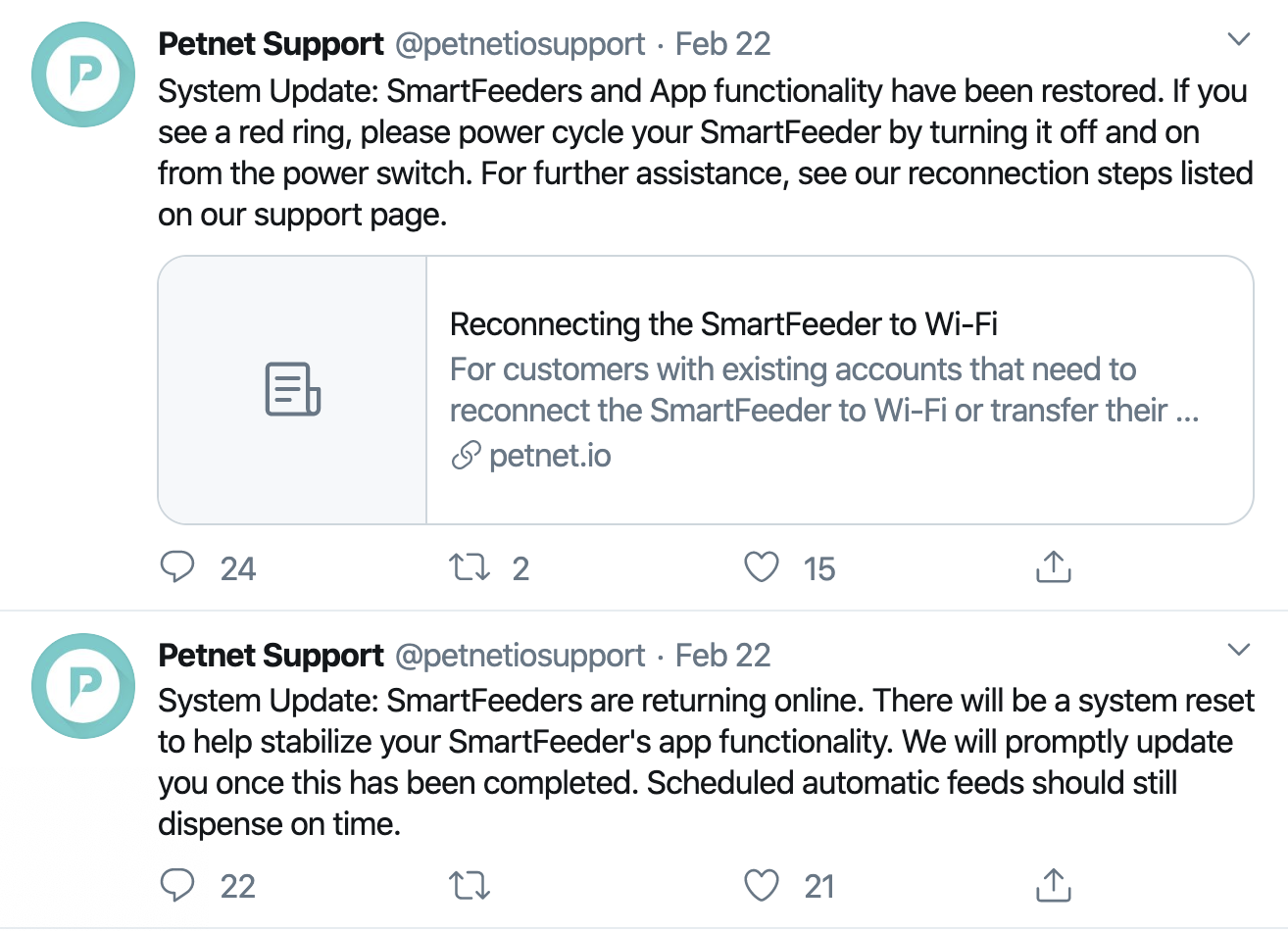
Petnet first announced on Feb. 14 that it was investigating a system outage affecting its second-generation SmartFeeders that made the feeders appear to be offline. The company said in a tweet that the SmartFeeders were still able to dispense on schedule, but several customers replied that their devices had also stopped dispensing food or weren’t dispensing it on schedule.

On Feb. 19, the company said that it is “working closely with our third-party service provider in regards to the outage,” before announcing on Feb. 22 that the SmartFeeders are returning online.

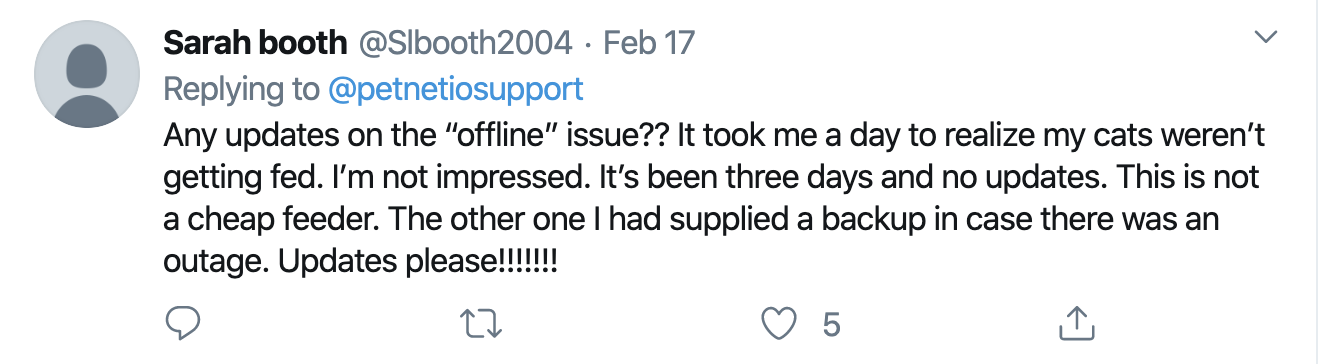
During that time, customers voiced frustration at the company’s lack of responses to their questions on Twitter and Facebook. Messages to the company’s support email and CEO Carlos Herrera were undeliverable.

TechCrunch tried contacting their emails and got delivery failure notices. A message sent to their Twitter account was also not replied to. We have contacted the company again for comment.


Petnet also experienced a similar system outage last month.

According to Crunchbase, Petnet.io has raised $14.9 million since it was founded in 2012, including a Series A led by Petco.

In a statement sent to TechCrunch over the weekend before Petnet said the outage was resolved, a Petco representative said “Petco is a minor and passive investor in Petnet, but we do not have any involvement in the company’s operations nor insight into the system outage they are currently experiencing.


Read Full Article

Microsoft launches 100X100X100 program to help Indian B2B SaaS startups


As Indian startups begin to make inroads in the world of SaaS, Microsoft has taken notice. The American tech giant today launched 100X100X100, a program aimed at business-to-business SaaS startups.

Microsoft said Monday that 100X100X100 will bring together 100 companies and 100 early and growth startups. Each committed company will spend $100,000 over a course of 18 months.

“This initiative will help build scale and create amazing opportunities for startups. Businesses can now fast-track their digital journeys through easy adoption of enterprise-grade solutions,” said Anant Maheshwari, President of Microsoft India, in a statement.

Each startup participating in the program will also have access to prospective customers at Microsoft industry and customer events. Participants also get access to Microsoft’s technology platform, and guidance in fine tuning their business and expansion models.

Microsoft is not a new face in India’s startup ecosystem. The company runs Microsoft for Startups that allows early stage B2B startups to use the company’s Azure marketplace and enterprise sales team. Early last year, the company also expanded M12, its corporate venture fund, to India.

The company’s global rivals Google and Amazon are also actively helping startups in India, sponsoring countless events and bandying out a range of goodies including thousands of dollars of credit to use their cloud platforms.

The idea is simple: If the bets work, these startups are already a customer and their solutions could be beneficial to several tens of thousands of other customers. And it’s a safe time to make these bets.

In recent years, scores of startups have emerged in India to build SaaS software following the success of firms such as Freshworks, valued at $3.5 billion, and CleverTap. Since SaaS startups are not building hardware, or disbursing loans, they often have the best profit margin.

Shekhar Kirani, a partner at Accel, told TechCrunch in a recent interview that his biggest frustration was not seeing many more entrepreneurs build SaaS services. “Anyone with some coding skills and a cheap laptop can build a service and sell to the world,” he said.

At a recent SaaS focused event, Godard Abel, chief executive of business marketplace G2, said that India was already among the top five nations for active participations for development of new business services.

As for Microsoft, expect several more announcements this week as its chief executive, Satya Nadella, appears at company’s flagship conference in the country today and tomorrow.


Read Full Article

Rallyhood exposed a decade of users’ private data


Rallyhood says it’s “private and secure.” But for some time, it wasn’t.

The social network designed to help groups communicate and coordinate left one of its cloud storage buckets containing user data open and exposed. The bucket, hosted on Amazon Web Services (AWS), was not protected with a password, allowing anyone who knew the easily-guessable web address access to a decade’s worth of user files.

Rallyhood boasts users from Girl Scout and Boy Scout troops, and Komen, Habitat for Humanities, and YMCA factions. The company also hosts thousands of smaller groups, like local bands, sports teams, art clubs, and organizing committees. Many flocked to the site after Rallyhood said it would help migrate users from Yahoo Groups, after Verizon (which also owns TechCrunch) said it would shut down the discussion forum site last year.

The bucket contained group data as far back to 2011 up to and including last month. In total, the bucket contained 4.1 terabytes of uploaded files, representing millions of users’ files.

Some of the files we reviewed contained sensitive data, like shared password lists and contracts or other permission slips and agreements. The documents also included non-disclosure agreements and other files that were not intended to be public.

Where we could identify contact information of users whose information was exposed, TechCrunch reached out to verify the authenticity of the data.

A security researcher who goes by the handle Timeless found the exposed bucket and informed TechCrunch, so that the bucket and its files could be secured.

When reached, Rallyhood chief technology officer Chris Alderson initially claimed that the bucket was for “testing” and that all user data was stored “in a highly secured bucket,” but later admitted that during a migration project, “there was a brief period when permissions were mistakenly left open.”

It’s not known if Rallyhood plans to warn its users and customers of the security lapse. At the time of writing, Rallyhood has made no statement on its website or any of its social media profiles of the incident.


Read Full Article

23 February 2020

This Week in Apps: HQ Trivia’s dramatic death, Android 11, Apple mulls a more open iOS


Welcome back to This Week in Apps, the Extra Crunch series that recaps the latest OS news, the applications they support and the money that flows through it all.

The app industry is as hot as ever, with a record 204 billion downloads in 2019 and $120 billion in consumer spending in 2019, according to App Annie’s recently released “State of Mobile” annual report. People are now spending 3 hours and 40 minutes per day using apps, rivaling TV. Apps aren’t just a way to pass idle hours — they’re a big business. In 2019, mobile-first companies had a combined $544 billion valuation, 6.5x higher than those without a mobile focus.

In this Extra Crunch series, we help you keep up with the latest news from the world of apps, delivered on a weekly basis.

This week we look at the sad, strange death of HQ Trivia, spying app ToTok getting booted from Google Play (again!), Android 11, an enticing Apple rumor about opening up iOS further to third-party apps, Google Stadia updates, the App Store book Apple wants banned, apps abusing subscriptions and much more.

Headlines

HQ Trivia burns to the ground

hq trivia app 1

Once-hot HQ Trivia believed it had invented a new kind of online gaming — live trivia played through your phone. Investors threw $15 million into the company hoping that was true. But the novelty wore off, cheaters came in, prize money dwindled and copycats emerged. Then co-founder Colin Kroll passed away and things at HQ Trivia got worse, including a failed internal mutiny, firings and layoffs. This week, HQ Trivia announced its demise. It then hosted one last, insane night of gaming featuring drunken and cursing hosts who sprayed champagne, called out trolls and begged for new jobs. (Sure, because they exited this one so professionally.)


Read Full Article

This Week in Apps: HQ Trivia’s dramatic death, Android 11, Apple mulls a more open iOS


Welcome back to This Week in Apps, the Extra Crunch series that recaps the latest OS news, the applications they support and the money that flows through it all.

The app industry is as hot as ever, with a record 204 billion downloads in 2019 and $120 billion in consumer spending in 2019, according to App Annie’s recently released “State of Mobile” annual report. People are now spending 3 hours and 40 minutes per day using apps, rivaling TV. Apps aren’t just a way to pass idle hours — they’re a big business. In 2019, mobile-first companies had a combined $544 billion valuation, 6.5x higher than those without a mobile focus.

In this Extra Crunch series, we help you keep up with the latest news from the world of apps, delivered on a weekly basis.

This week we look at the sad, strange death of HQ Trivia, spying app ToTok getting booted from Google Play (again!), Android 11, an enticing Apple rumor about opening up iOS further to third-party apps, Google Stadia updates, the App Store book Apple wants banned, apps abusing subscriptions and much more.

Headlines

HQ Trivia burns to the ground

hq trivia app 1

Once-hot HQ Trivia believed it had invented a new kind of online gaming — live trivia played through your phone. Investors threw $15 million into the company hoping that was true. But the novelty wore off, cheaters came in, prize money dwindled and copycats emerged. Then co-founder Colin Kroll passed away and things at HQ Trivia got worse, including a failed internal mutiny, firings and layoffs. This week, HQ Trivia announced its demise. It then hosted one last, insane night of gaming featuring drunken and cursing hosts who sprayed champagne, called out trolls and begged for new jobs. (Sure, because they exited this one so professionally.)


Read Full Article

Fintech startups raised $34B in 2019


Financial services startups raised less money in 2019 than they did in 2018 as VC firms looked to back late stage firms and focused on developing markets, a new report has revealed.

According to research firm CB Insights’ annual report published this week, fintech startups across the world raised $33.9 billion* in total last year across 1,912 deals*, down from $40.8 billion they picked up by participating in 2,049 deals the year before.

It’s a comprehensive report, which we recommend you read in full here (your email is required to access it), but below are some of the key takeaways.

  • Early stage startups struggled to attract money: Per the report, financing for startups looking to close Seed or Series A dropped to a five-year low in 2019. On the flip side, money pouring into Series B or beyond startups was at record five-year high.

    Early-stage deals dropped to a 12-quarter low as deal share globally shifts to mid- and late-stages (CB Insights)

  • Emerging and frontier markets were at the centre stage of the most of the action: South America, Africa, Australia, and Southeast Asia all topped their annual highs last year.
  • Asia outpaced Europe in the second half of last year on both number of deals and bulk of capital raised. In Q3, European startups raised $1.6 billion through 95 deals, compared to $1.8 billion amassed by Asian startups across 157 deals. In Q4, a similar story was at play: European startups participated in 100 rounds to raise $1.2 billion, compared to $2.14 billion* raised by Asian startups across 125 deals*.
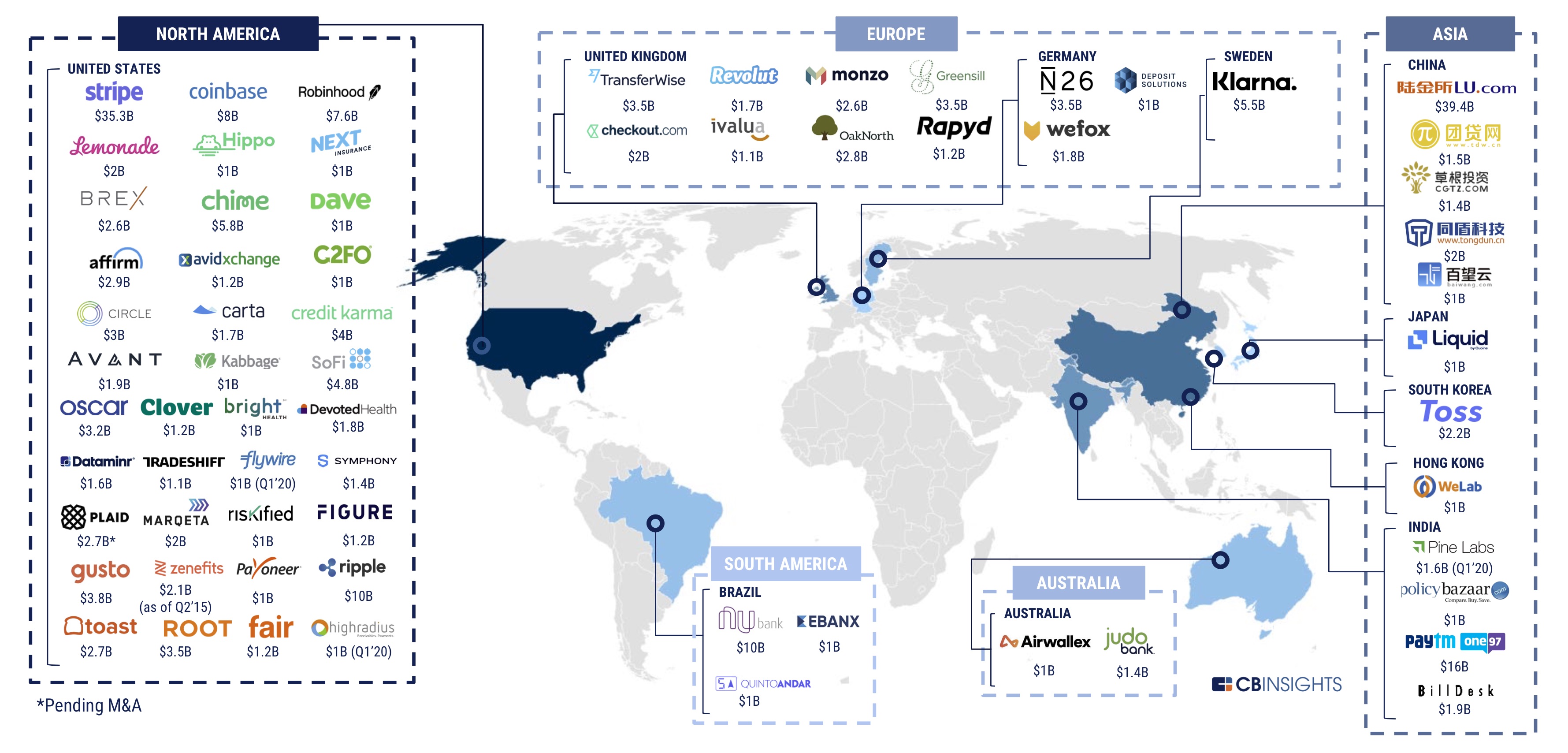
  • Emergence of 24 new fintech unicorns in 2019: 8 fintech startups including Next Insurance, Bight Health, Flywire, High Radius, Ripple, and Figure attained the unicorn status in Q4 2019, and 16 others made it to the list throughout the rest of the last year.

    The fintech market globally today has 67 unicorns as of earlier this month (CB Insights)

  • Insurtech sector, or startups such as Lemonade, Hippo, Next, Wefox, Bright Health that are offering insurance services, got a major boost last year. They raised 6.2 billion last year, up from $3.2 billion in 2018.
  • Startups building solutions such as invoicing and taxing services and payroll and payments solutions for small and medium businesses also received the nod of VCs. In the U.S. alone, where more than 140 startups are operating in the space, raised $4 billion. In many more markets, such startups are beginning to emerge. In India, for instance Open and NiYo are building neo-banks for small businesses and they both raised money last year.
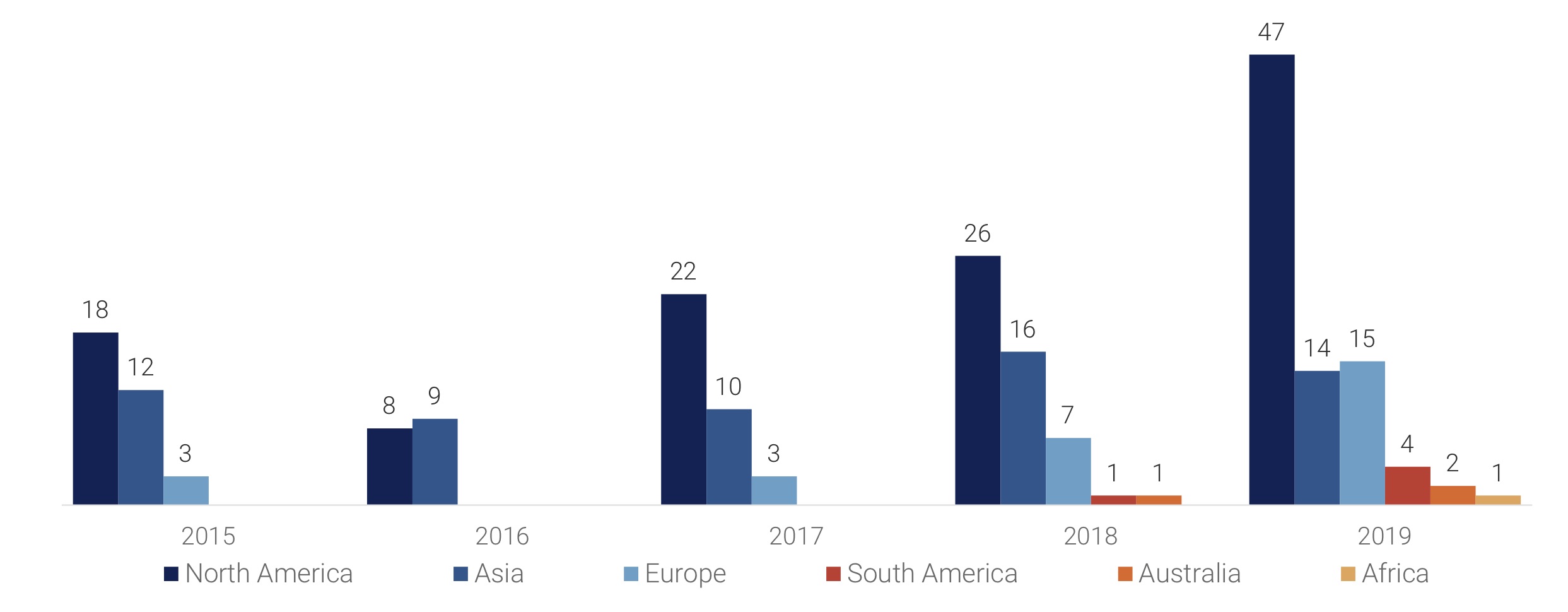
  • Nearly 50% of all funding to fintech startups was concentrated in 83-mega rounds (those of size $100 million or above.): According to the research firm, 2019 was a record year for such rounds across the globe, except in Europe.

    2019 saw 83 mega-rounds totaling $17.2B, a record year in every market except Europe

  • Funding of Germany-based startups reached an annual high: 65 deals in 2019 resulted in $1.79 billion raise, compared to 56 deals and raise of $757 million in 2018, and 66 deals and $622 million raise in 2017.
  • Financial startups in Southeast Asia (SEA) raised $993 million across 124 rounds in 2019 in what was their best year.

*CB Insights report includes a $666 million financing round of Paytm. It was incorrectly reported by some news outlets and the $666 million raise was part of the $1 billion round the Indian startup had revealed weeks prior. We have adjusted the data accordingly.


Read Full Article